A Shortlist Method for Beauty Tool Manufacturers
A focused supplier shortlist is easier to compare than a large collection of attractive websites. Start with the tools and order conditions the brand actually needs.
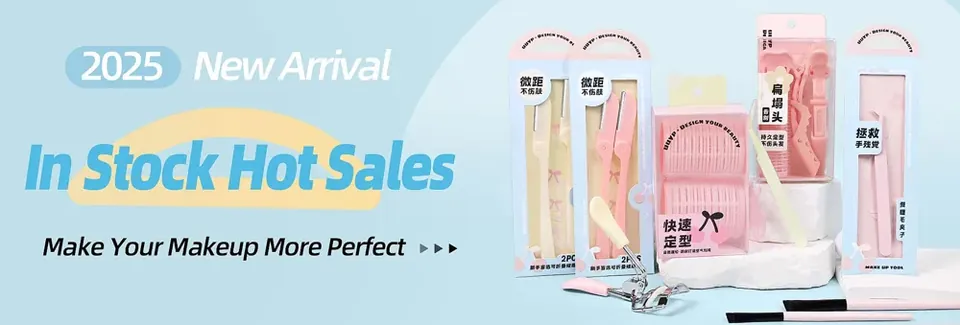
A focused supplier shortlist is easier to compare than a large collection of attractive websites. Start with the tools and order conditions the brand actually needs.
Choose representative sample requests
Select models that reflect the intended range and send every candidate the same specification brief. Include materials, dimensions, finish, quantity and packaging assumptions. Ask suppliers to identify deviations rather than silently quoting their nearest standard item. This keeps differences visible and prevents incomparable prices from driving the first decision.
Verify relevant capability
Ask how the proposed tools are made, inspected and packed. Request product-level evidence for important claims and check the scope of company documents separately. Years in business or a large range can provide context, but neither proves that a specific custom head or package can be delivered as required.
Evaluate the working process
Compare the clarity of responses, sample labeling and revision records. Ask how changes and defects would be handled on a real order. Keep a dated comparison that includes setup charges, minimum quantities and schedule dependencies. A good shortlist should help the team explain why a supplier fits this project, not declare one factory universally best.
Before approving the order
- Use the same brief for every candidate.
- Verify capability relevant to the chosen tools.
- Compare communication and commercial scope.
Our guides use documented product information and editorial research. Hands-on testing is stated only where it has actually been performed. How we work
You may also find useful
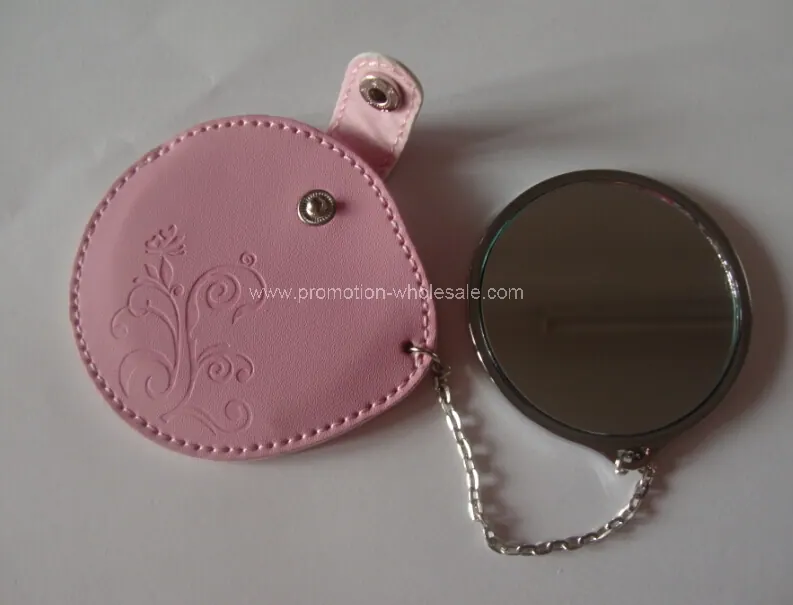
New Leather Pocket Cosmetic Mirror: a buyer’s assessment
An editorial assessment of New Leather Pocket Cosmetic Mirror, with practical questions about specifications, customisation and project fit.

Multifunctional Folding Comb with Mirror: a buyer’s assessment
An editorial assessment of Multifunctional Folding Comb with Mirror, with practical questions about specifications, customisation and project fit.
Custom Brush MOQs: Ask Which Choice Sets the Minimum
Understand quotation assumptions at component and variant level before committing to a custom brush order.
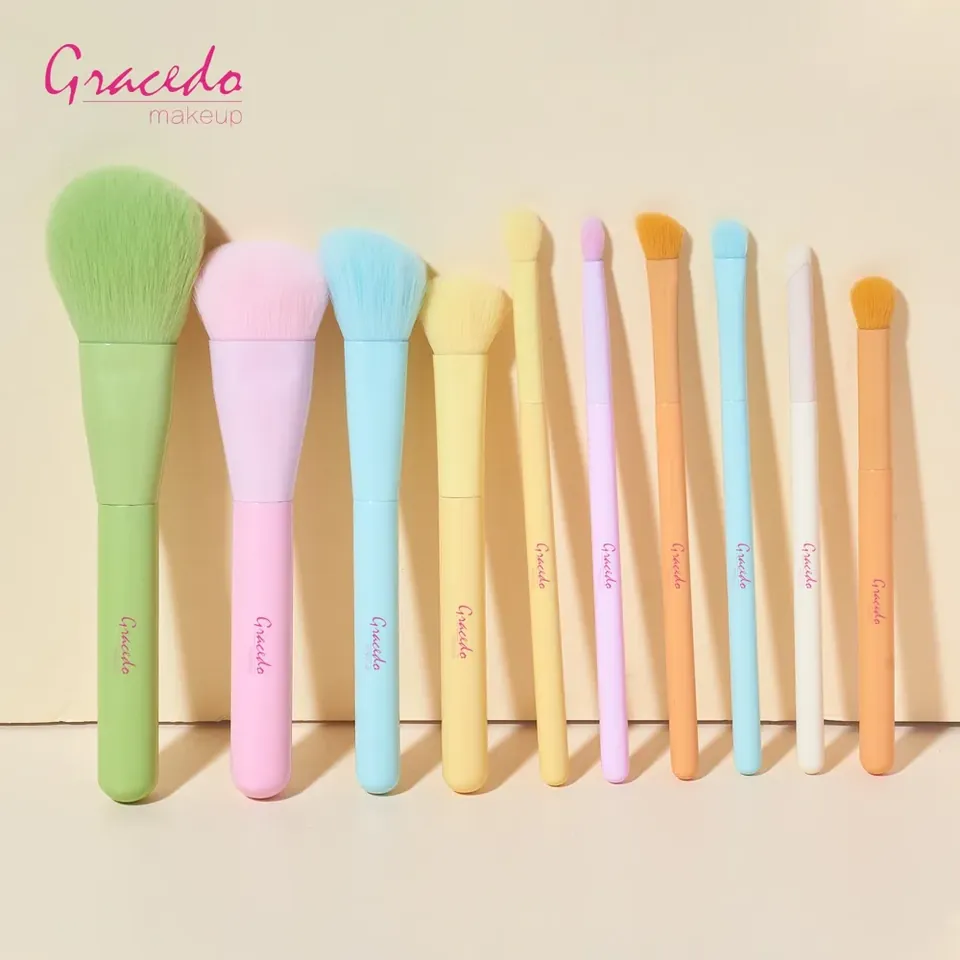
Use Supplier Design Support to Resolve Brush Tradeoffs
Technical support is most valuable when it helps a buyer decide between specific alternatives. A broad request for an innovative brush gives little direction.
Comments
No comments yet. Add a useful question or share your perspective.