Brush Case Selection: Build a Fit Map Before Ordering
Use the real assortment to compare case layouts, internal clearances and identification needs.

Create a simple contents map
List every brush and accessory the case must hold, with the dimensions that affect fit. Mark the tallest handle, widest head and any item requiring a separate space. Share that information with the supplier before choosing the exterior design. A case sized around a generic demonstration set may not suit the products your business intends to ship.
Review fit as customers will use it
Pack a representative sample with the complete assortment and check how easily items can be removed and replaced. Inspect the space around working heads when the case is closed. If the layout relies on loops or pockets, identify the item assigned to each position. Ask for material and cleaning information without assuming that a particular exterior establishes protection in every condition.
Keep the case and set versions connected
Record the approved internal arrangement, closure and decoration alongside the brush references. Review whether tags or inserts reduce usable space. If the collection changes, revisit the fit map before reordering the case. Clear version links prevent an apparently minor brush addition from becoming a packing problem that staff only discover when the finished stock arrives.
Buyer checklist
- Map every item and critical dimension.
- Test removal and replacement in the packed case.
- Review fit whenever the assortment changes.
Our guides use documented product information and editorial research. Hands-on testing is stated only where it has actually been performed. How we work
You may also find useful
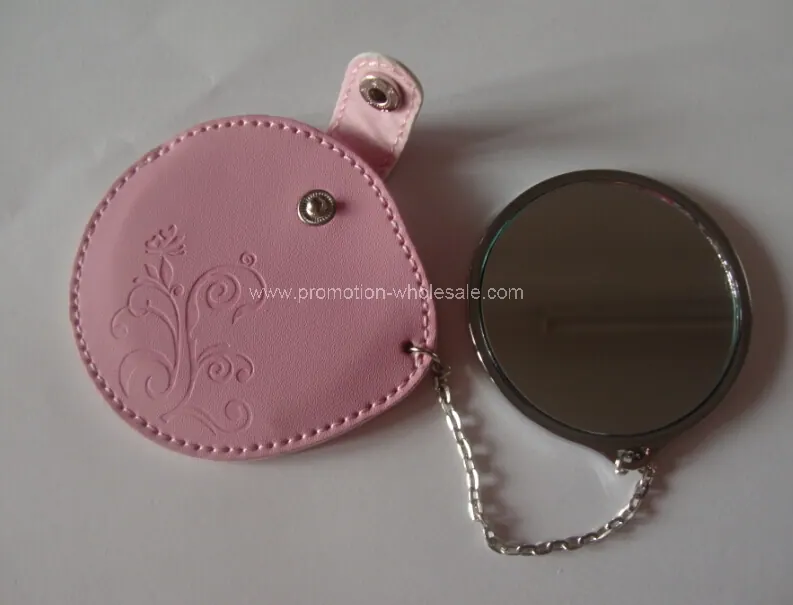
New Leather Pocket Cosmetic Mirror: a buyer’s assessment
An editorial assessment of New Leather Pocket Cosmetic Mirror, with practical questions about specifications, customisation and project fit.

Multifunctional Folding Comb with Mirror: a buyer’s assessment
An editorial assessment of Multifunctional Folding Comb with Mirror, with practical questions about specifications, customisation and project fit.
Custom Brush MOQs: Ask Which Choice Sets the Minimum
Understand quotation assumptions at component and variant level before committing to a custom brush order.
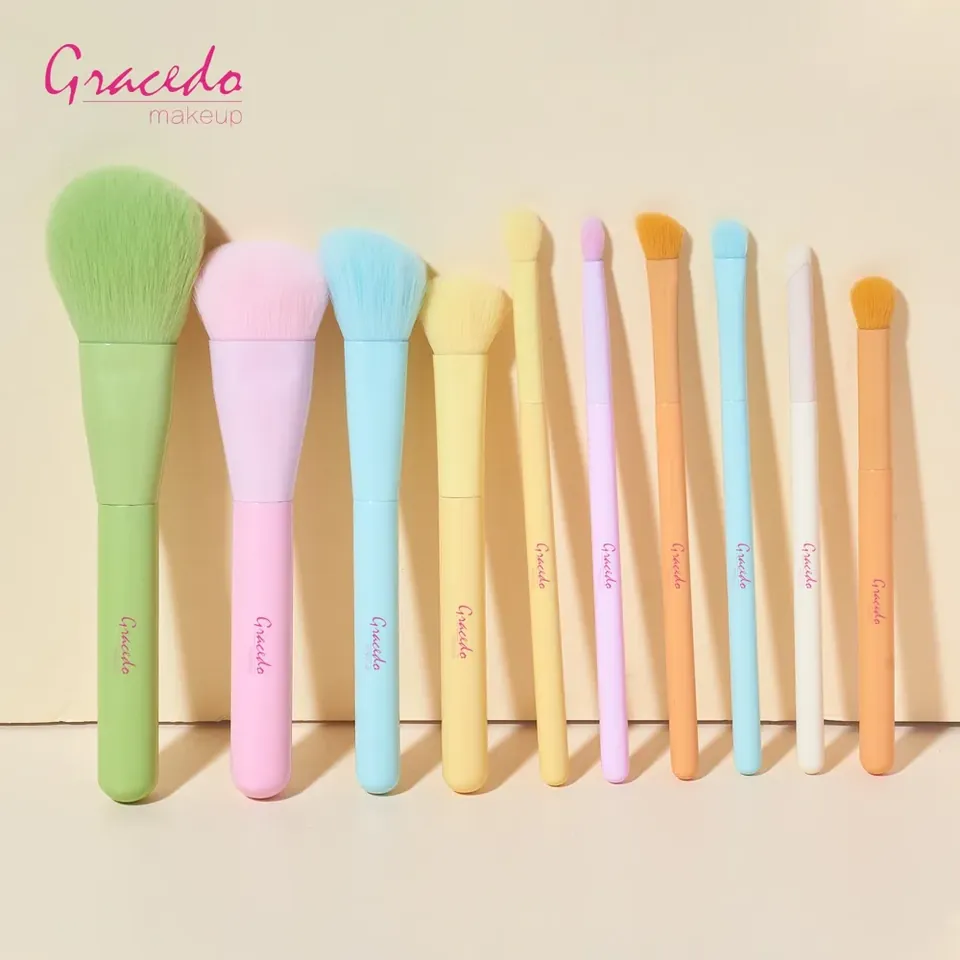
Use Supplier Design Support to Resolve Brush Tradeoffs
Technical support is most valuable when it helps a buyer decide between specific alternatives. A broad request for an innovative brush gives little direction.
Comments
No comments yet. Add a useful question or share your perspective.