Custom Brush Precision: Replace Vague Language with Clear References
Make a custom brush project easier to evaluate through dimensions, model identity and specific feedback.
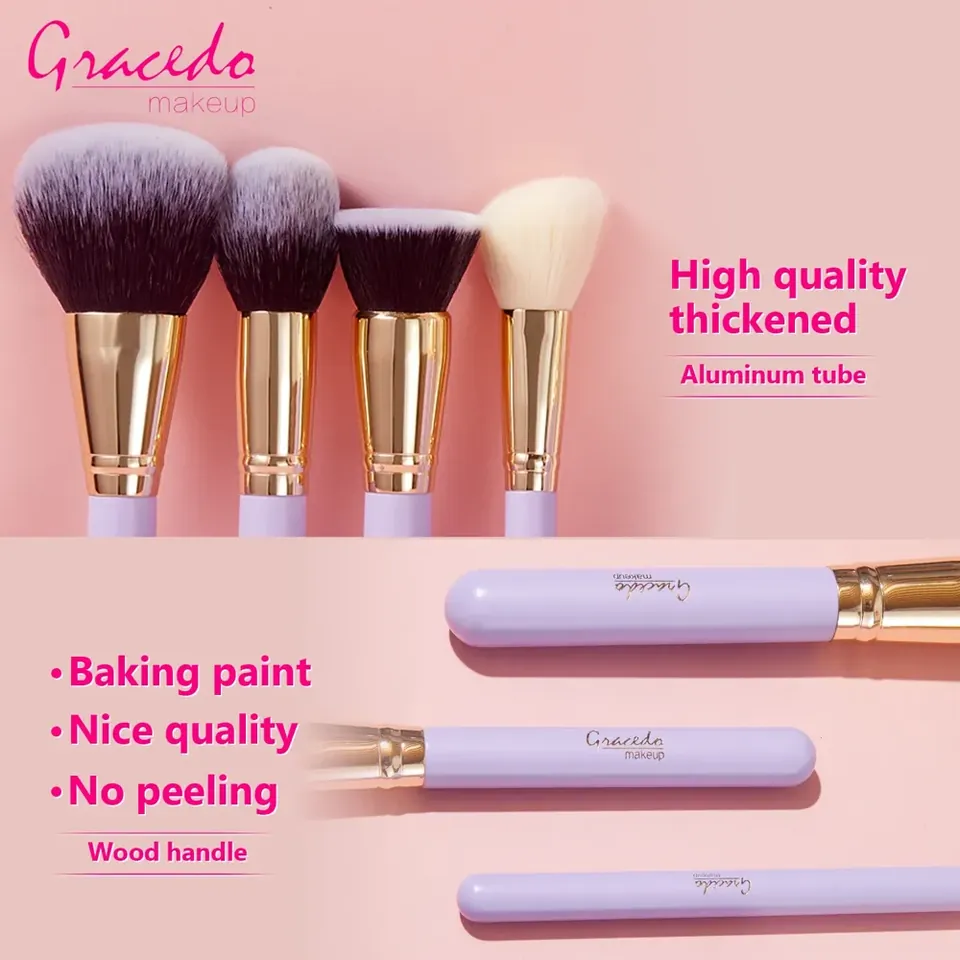
Specify the detail that matters
When a brush is described as precise, ask which feature supports the intended role. Record the head width, profile and other dimensions relevant to the task. Request photographs from more than one angle. Keep the explanation attached to a model reference so different proposals can be discussed without relying on similar catalog names or general claims about craftsmanship.
Use a repeatable review brief
Give evaluators the same application task and relevant cosmetics, then ask for concrete observations about grip, orientation and access. Keep individual preferences visible rather than treating one person’s experience as universal. Separate measurable differences from aesthetic choices. If a sample changes, identify the revision explicitly and compare it with the previous reference rather than starting the discussion from memory.
Retain the selected product identity
Keep the approved sample, specification and artwork in one active file. Ask the supplier to propose changes to construction before they are used in another batch. Check whether a revised head also affects instructions or packaging fit. Clear references make it easier to preserve the tool the team selected while allowing deliberate improvements that can be reviewed and explained.
Buyer checklist
- Describe precision through relevant dimensions.
- Keep context with sample feedback.
- Review construction changes before repeat production.
Our guides use documented product information and editorial research. Hands-on testing is stated only where it has actually been performed. How we work
You may also find useful
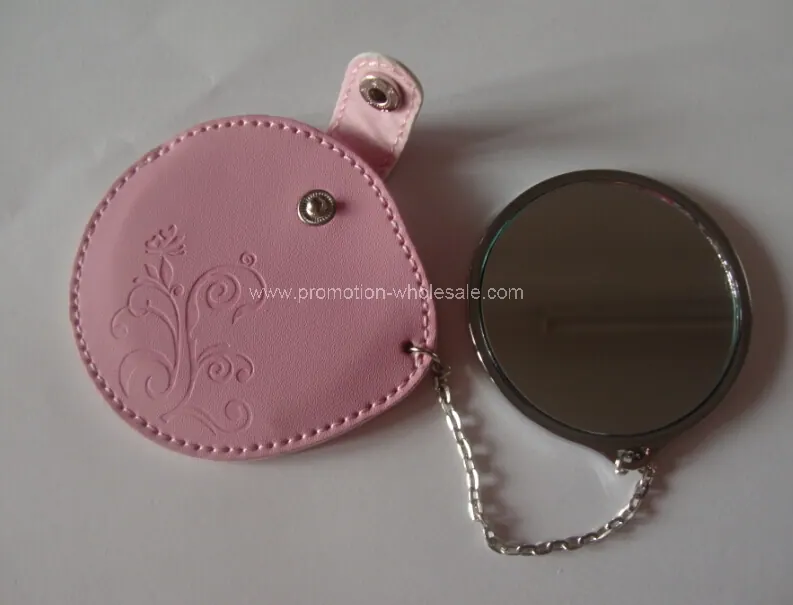
New Leather Pocket Cosmetic Mirror: a buyer’s assessment
An editorial assessment of New Leather Pocket Cosmetic Mirror, with practical questions about specifications, customisation and project fit.

Multifunctional Folding Comb with Mirror: a buyer’s assessment
An editorial assessment of Multifunctional Folding Comb with Mirror, with practical questions about specifications, customisation and project fit.
Custom Brush MOQs: Ask Which Choice Sets the Minimum
Understand quotation assumptions at component and variant level before committing to a custom brush order.
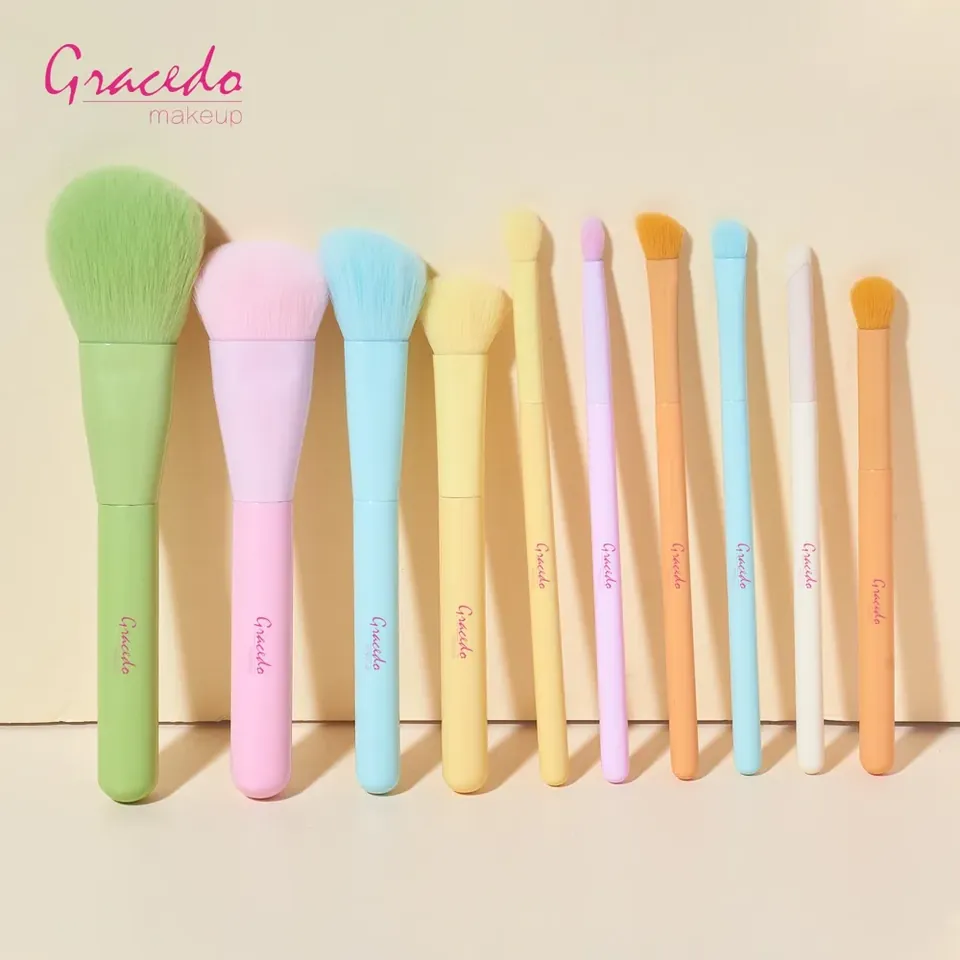
Use Supplier Design Support to Resolve Brush Tradeoffs
Technical support is most valuable when it helps a buyer decide between specific alternatives. A broad request for an innovative brush gives little direction.
Comments
No comments yet. Add a useful question or share your perspective.