Introducing New Brush Materials Without Losing Consistency
A new material or process should solve a defined product problem. Buyers need a comparison and an approval plan before adding an innovation claim to a brush range.
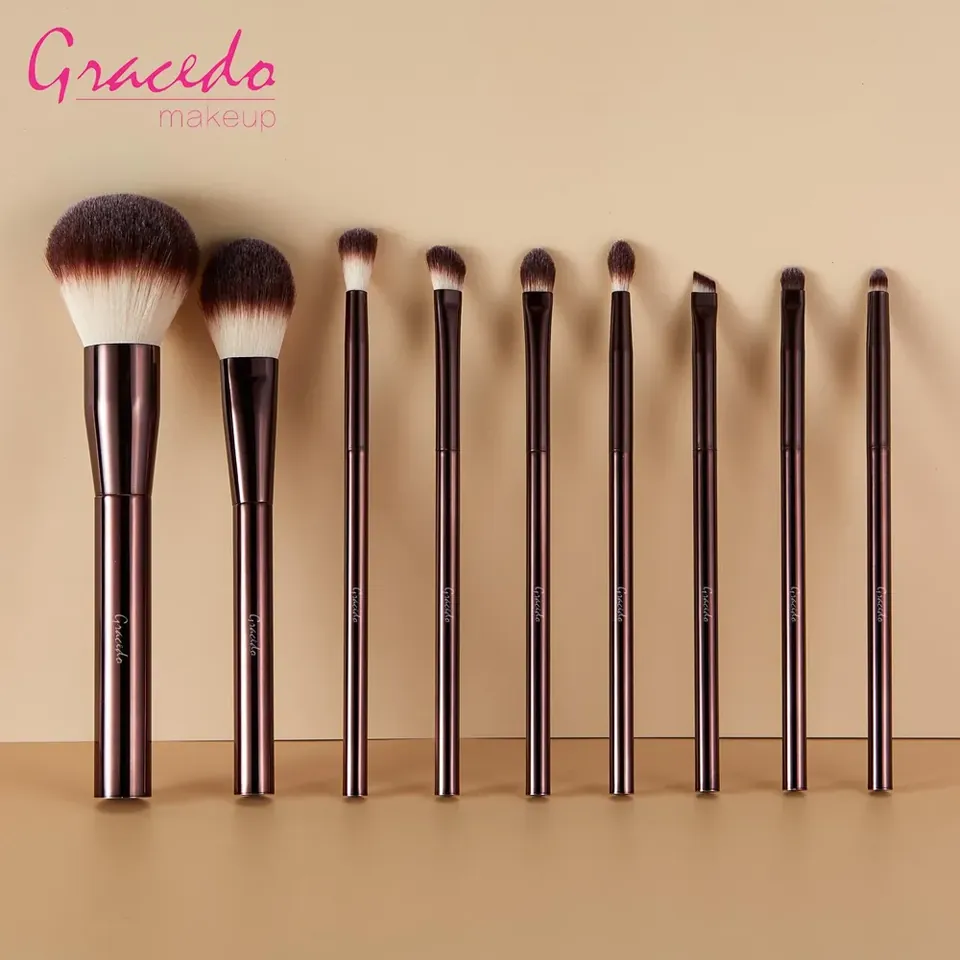
A new material or process should solve a defined product problem. Buyers need a comparison and an approval plan before adding an innovation claim to a brush range.
State the intended improvement
Describe the current limitation and the result the team wants to evaluate. It may concern head control, shape retention, grip or finish. Ask the supplier to explain the proposed change in factual terms and identify which components are affected. A new-sounding process name is not itself evidence of a better finished brush.
Compare with a controlled reference
Use coded samples and a consistent evaluation routine. Keep other important variables stable where possible so the team can identify why the revised tool behaves differently. Request relevant material declarations and compatibility guidance. Do not extend a supplier’s general innovation statement into claims that have not been supported for the actual model.
Update the whole approval package
If the revision is selected, change the specification, care instructions and packaging where needed. Retain the old and new versions clearly labeled and define when the new version enters production. This helps replenish the range consistently and prevents a partly revised set from reaching customers under an unchanged description.
Before approving the order
- Define the problem before evaluating novelty.
- Compare coded samples consistently.
- Release a complete updated specification.
Our guides use documented product information and editorial research. Hands-on testing is stated only where it has actually been performed. How we work
You may also find useful
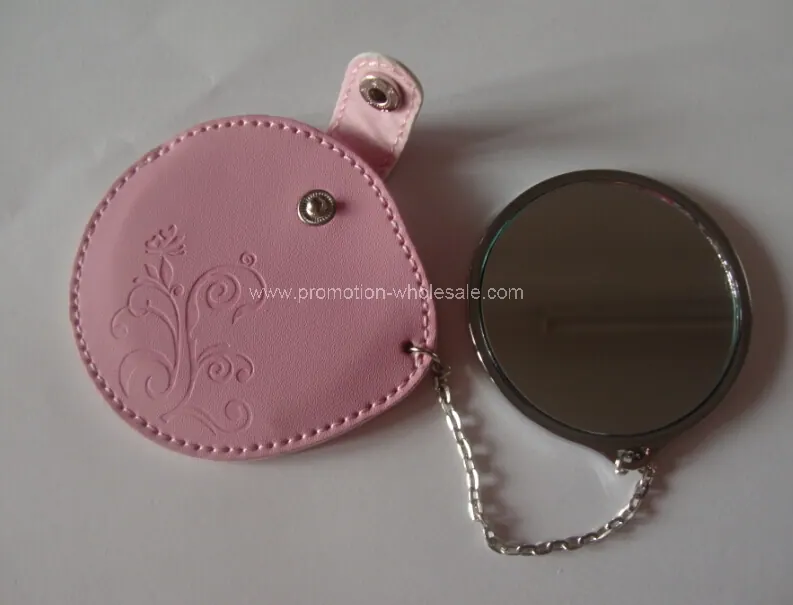
New Leather Pocket Cosmetic Mirror: a buyer’s assessment
An editorial assessment of New Leather Pocket Cosmetic Mirror, with practical questions about specifications, customisation and project fit.
Multifunctional Folding Comb with Mirror: a buyer’s assessment
An editorial assessment of Multifunctional Folding Comb with Mirror, with practical questions about specifications, customisation and project fit.
Custom Brush MOQs: Ask Which Choice Sets the Minimum
Understand quotation assumptions at component and variant level before committing to a custom brush order.
Use Supplier Design Support to Resolve Brush Tradeoffs
Technical support is most valuable when it helps a buyer decide between specific alternatives. A broad request for an innovative brush gives little direction.
Comments
No comments yet. Add a useful question or share your perspective.