Keeping a Multi-Category Brush Order Organized
An OEM supplier may offer face, eye, lip and nail tools together. Buyers still need separate specifications where those categories differ in use and care.
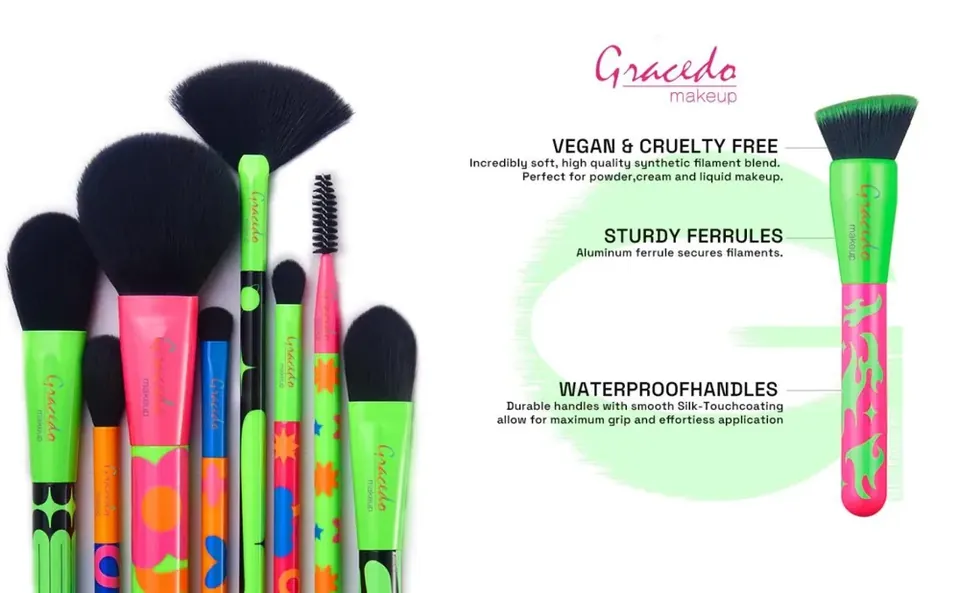
An OEM supplier may offer face, eye, lip and nail tools together. Buyers still need separate specifications where those categories differ in use and care.
Build a structured order list
Group models by task and give each one a stable code. Include dimensions, materials, finish and packaging format. A large supplier catalog can simplify communication, but it should not replace item-level descriptions. Note whether the order contains standalone brushes, complete sets or components intended for assembly after delivery.
Avoid universal material assumptions
Confirm each model’s fiber and handle declarations. Different working tasks may call for different head structures, and care guidance may not transfer across the whole range. Request representative samples from every category rather than assuming a good powder brush demonstrates the quality of an unrelated nail or detail tool.
Control packing accuracy
Prepare a set map showing which model belongs in each retail pack. Ask how the supplier checks shape, color and quantity during assembly. A carton with the right total number of pieces can still contain the wrong mix. Retain complete samples and packing records so that replenishment reproduces the approved assortment.
Before approving the order
- Use an item-level specification list.
- Sample every construction category.
- Check assortment accuracy as well as counts.
Our guides use documented product information and editorial research. Hands-on testing is stated only where it has actually been performed. How we work
You may also find useful
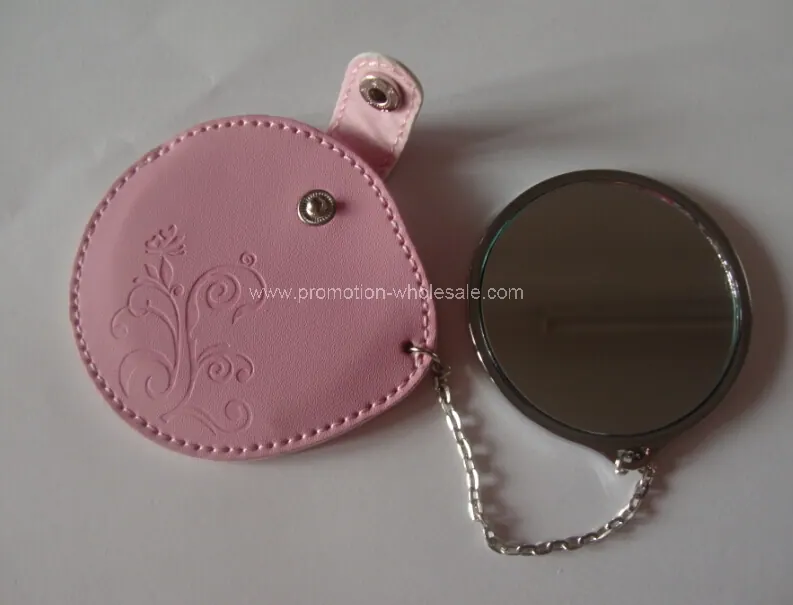
New Leather Pocket Cosmetic Mirror: a buyer’s assessment
An editorial assessment of New Leather Pocket Cosmetic Mirror, with practical questions about specifications, customisation and project fit.
Multifunctional Folding Comb with Mirror: a buyer’s assessment
An editorial assessment of Multifunctional Folding Comb with Mirror, with practical questions about specifications, customisation and project fit.
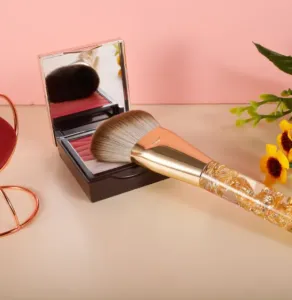
Custom Brush MOQs: Ask Which Choice Sets the Minimum
Understand quotation assumptions at component and variant level before committing to a custom brush order.
Use Supplier Design Support to Resolve Brush Tradeoffs
Technical support is most valuable when it helps a buyer decide between specific alternatives. A broad request for an innovative brush gives little direction.
Comments
No comments yet. Add a useful question or share your perspective.