Sponge Durability Checks: Separate Tool and Transit Damage
A durability test should answer a defined question. A loose sponge dropped on a floor and a packed retail unit shipped in a carton face different conditions.
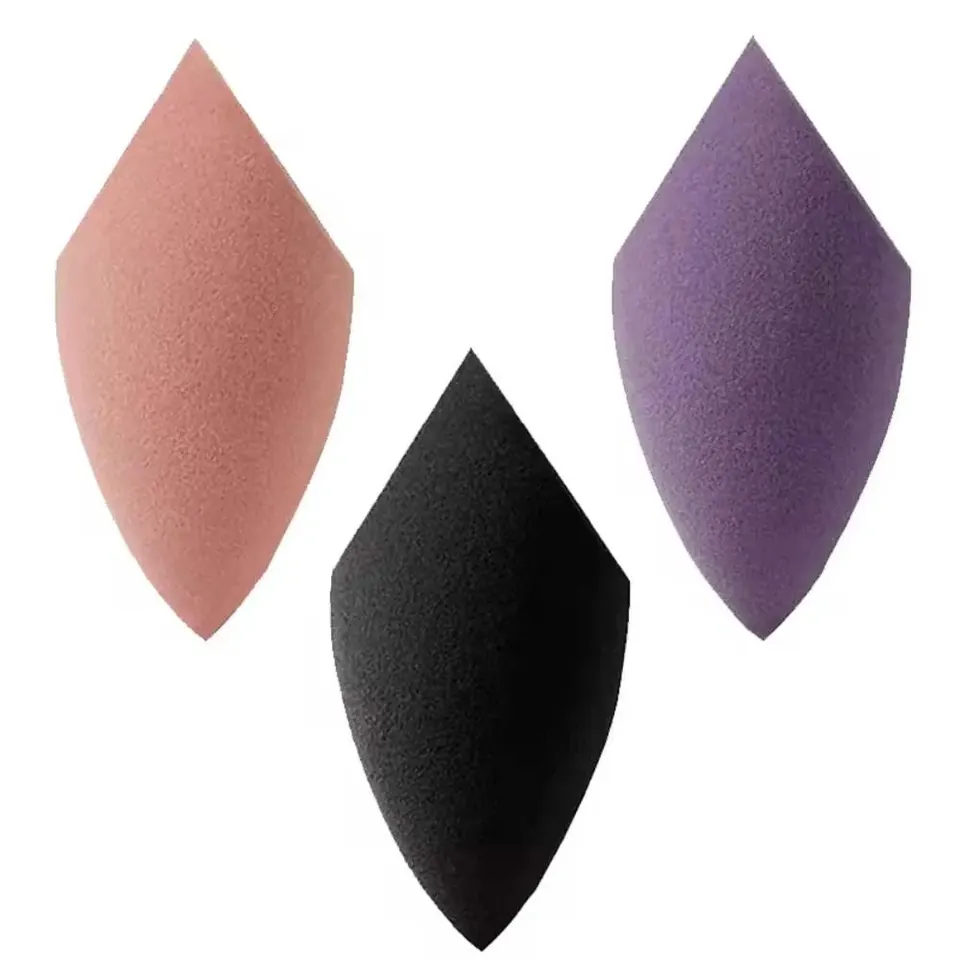
A durability test should answer a defined question. A loose sponge dropped on a floor and a packed retail unit shipped in a carton face different conditions.
Define what is being evaluated
Decide whether the concern is tearing during use, lasting compression from packing or damage in transport. Select a method that represents that concern and record the sample condition.
A fixed drop height or repeat count from a promotional article is not automatically a recognized standard. Agree on a relevant test method before treating the result as an acceptance criterion.
Observe more than the immediate appearance
After an agreed handling or compression check, inspect shape recovery, surface damage and visible particles. Record the time allowed for recovery and whether the sponge was dry or prepared according to its instructions.
Compare with a retained untested sample from the same batch. This helps distinguish normal material appearance from a change introduced by the procedure.
Evaluate packaging separately
If transit damage is the concern, inspect the complete retail pack and shipping configuration. A resilient sponge can still arrive poorly presented if its carton is crushed or its insert holds it incorrectly. Keep video or photographs with the written method, lot identification and result rather than relying on a demonstration without context.
Before approving the order
- Name the failure the test should reveal.
- Record preparation and recovery conditions.
- Check the packed unit for transport-related risks.
Our guides use documented product information and editorial research. Hands-on testing is stated only where it has actually been performed. How we work
You may also find useful
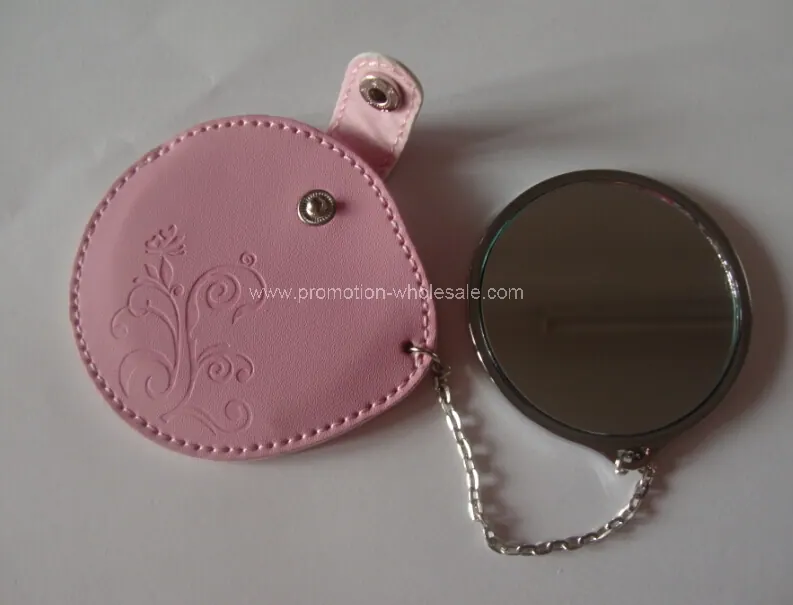
New Leather Pocket Cosmetic Mirror: a buyer’s assessment
An editorial assessment of New Leather Pocket Cosmetic Mirror, with practical questions about specifications, customisation and project fit.
Multifunctional Folding Comb with Mirror: a buyer’s assessment
An editorial assessment of Multifunctional Folding Comb with Mirror, with practical questions about specifications, customisation and project fit.

Custom Brush MOQs: Ask Which Choice Sets the Minimum
Understand quotation assumptions at component and variant level before committing to a custom brush order.
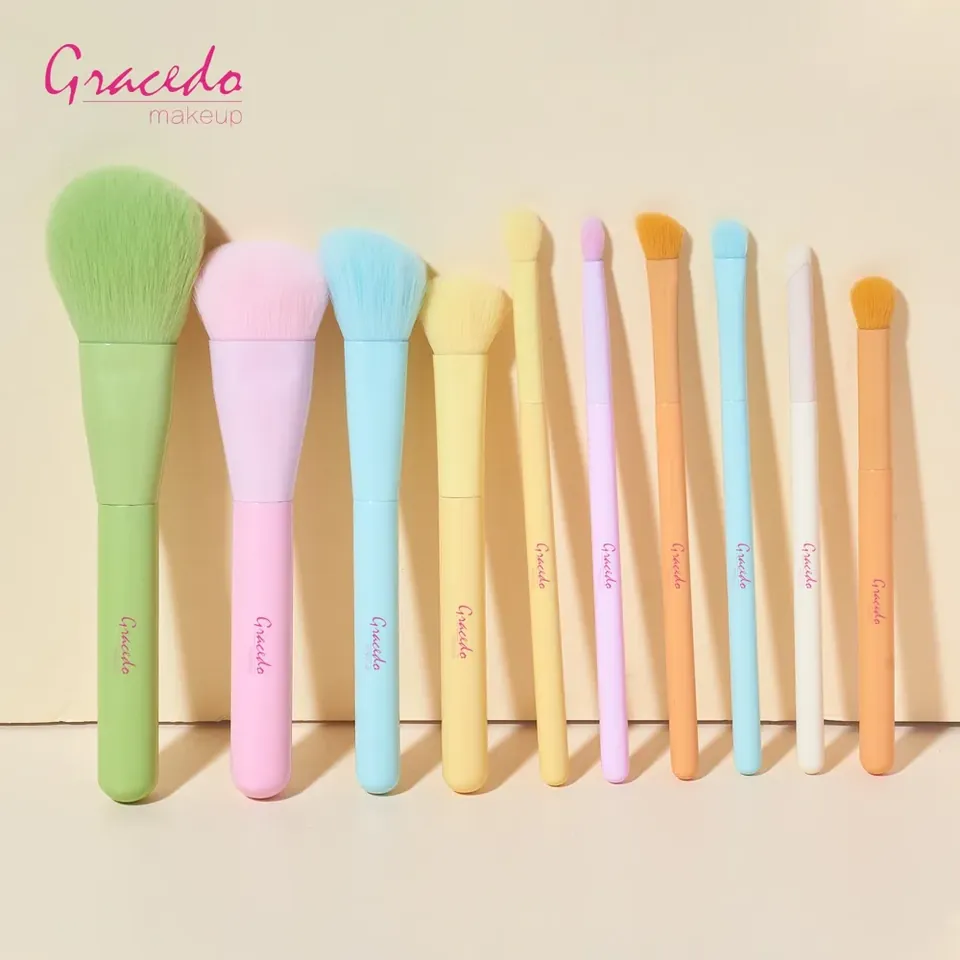
Use Supplier Design Support to Resolve Brush Tradeoffs
Technical support is most valuable when it helps a buyer decide between specific alternatives. A broad request for an innovative brush gives little direction.
Comments
No comments yet. Add a useful question or share your perspective.