Read. Compare. Decide.
Practical guides and original editorial perspectives to help you shop with a little more clarity.
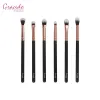
Eyeshadow Brush Replenishment: Keep Working Heads Consistent
Use clear product references and change records when replenishing a wholesale eye brush range.
Brush Bag Durability: Inspect the Seams and Closures
A brush bag’s working life depends on more than its outer material. Inspect the places that move, carry weight and come into contact with the tools.
OEM and ODM Beauty Tools: Clarify the Development Responsibility
Understand what a supplier’s proposal includes before treating a broad service description as a complete project plan.
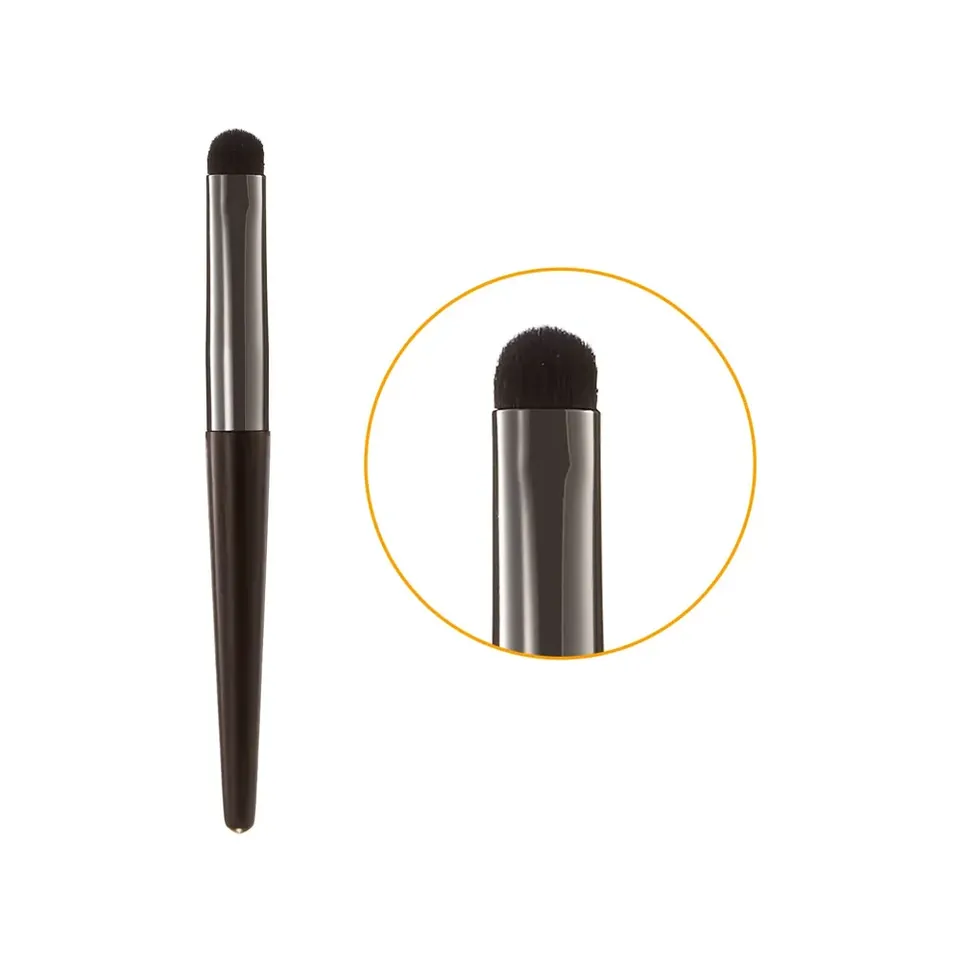
Match Lip Brushes to the Lip Product Development Brief
Lip tools should be assessed with the textures and application goals they are meant to support. Tool selection can be part of product development rather than a late packaging decision.
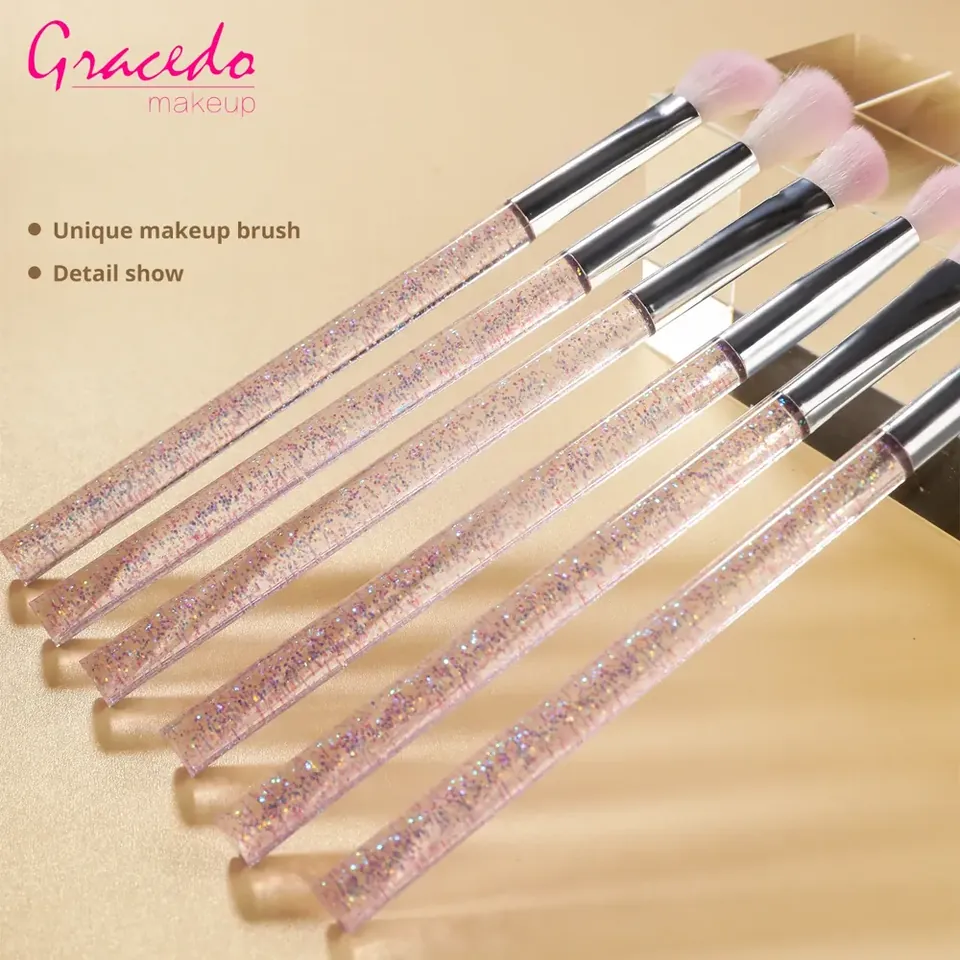
Eyeshadow Fiber Selection: Balance Placement and Blending
Different eye brush heads can use different fiber structures within one set. The right comparison considers material, exposed length and bundle geometry together.
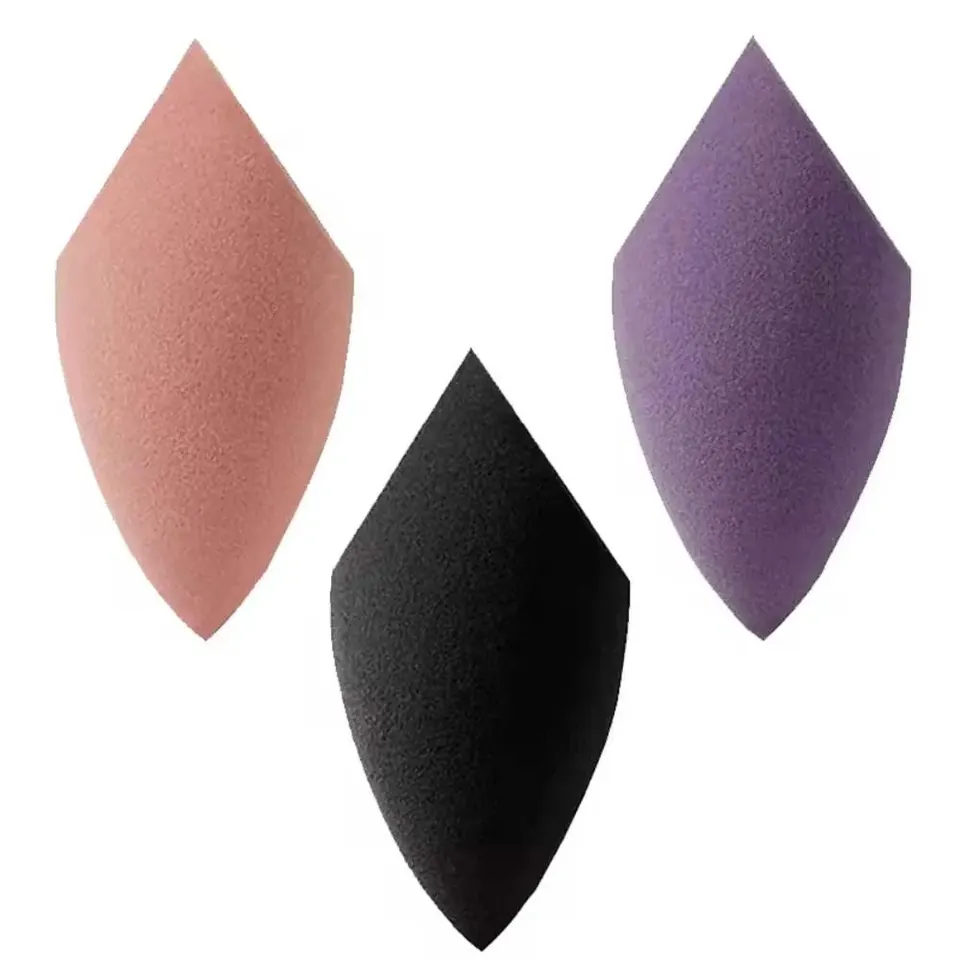
Sponge Density Descriptions: Ask What the Numbers Refer To
Make sponge sample comparisons more useful by connecting material terminology with dimensions and intended care.
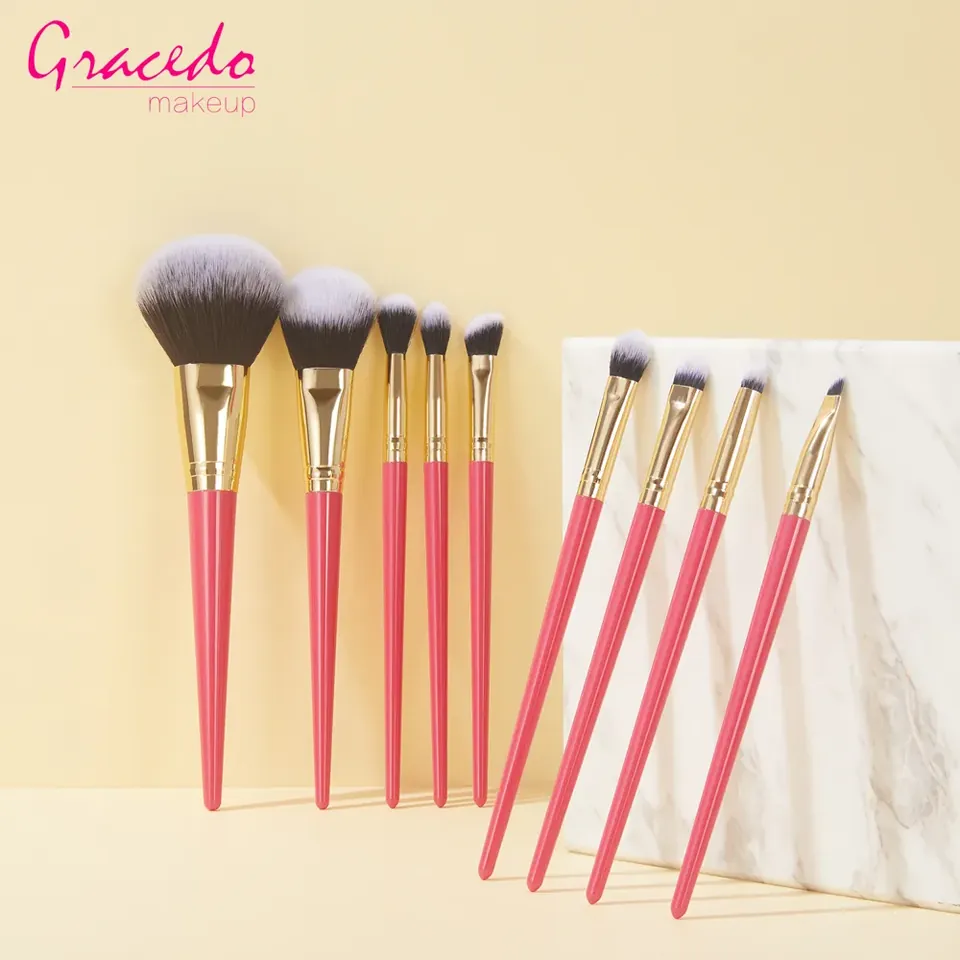
Foundation Brush Suppliers: Build a Clear Development Handover
Move from supplier discovery to an order-ready foundation brush with organized samples and precise approval questions.
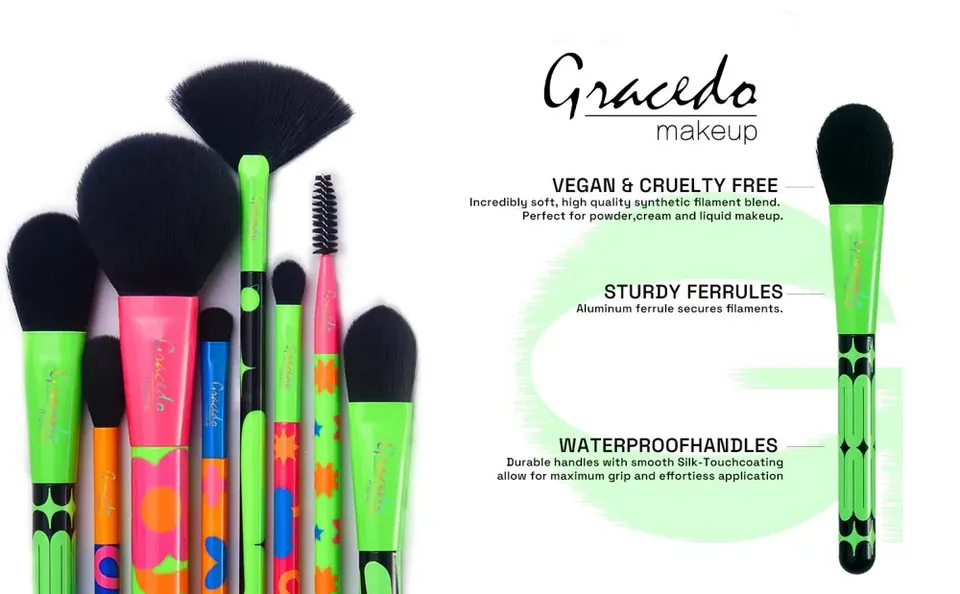
Reading a Brush Manufacturer Profile with a Buyer’s Checklist
Company profiles can help form a shortlist, but their claims need to be connected to the entity and products covered by the proposed order.
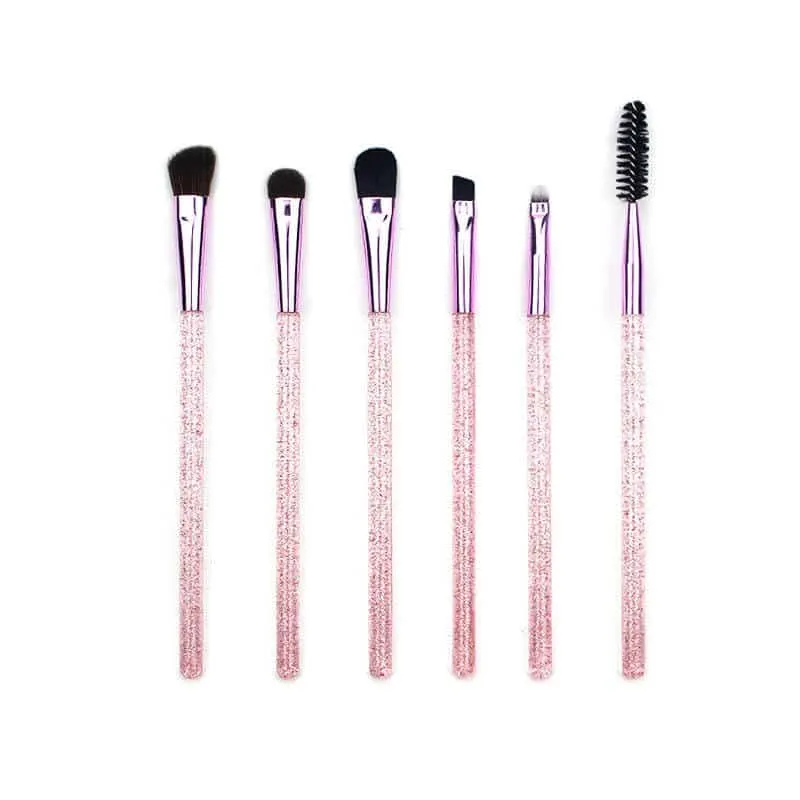
Eyelash Curler Grips: Review Texture Without Assuming Safety Benefits
Specify handle treatments, care information and sample observations separately from special grip claims.
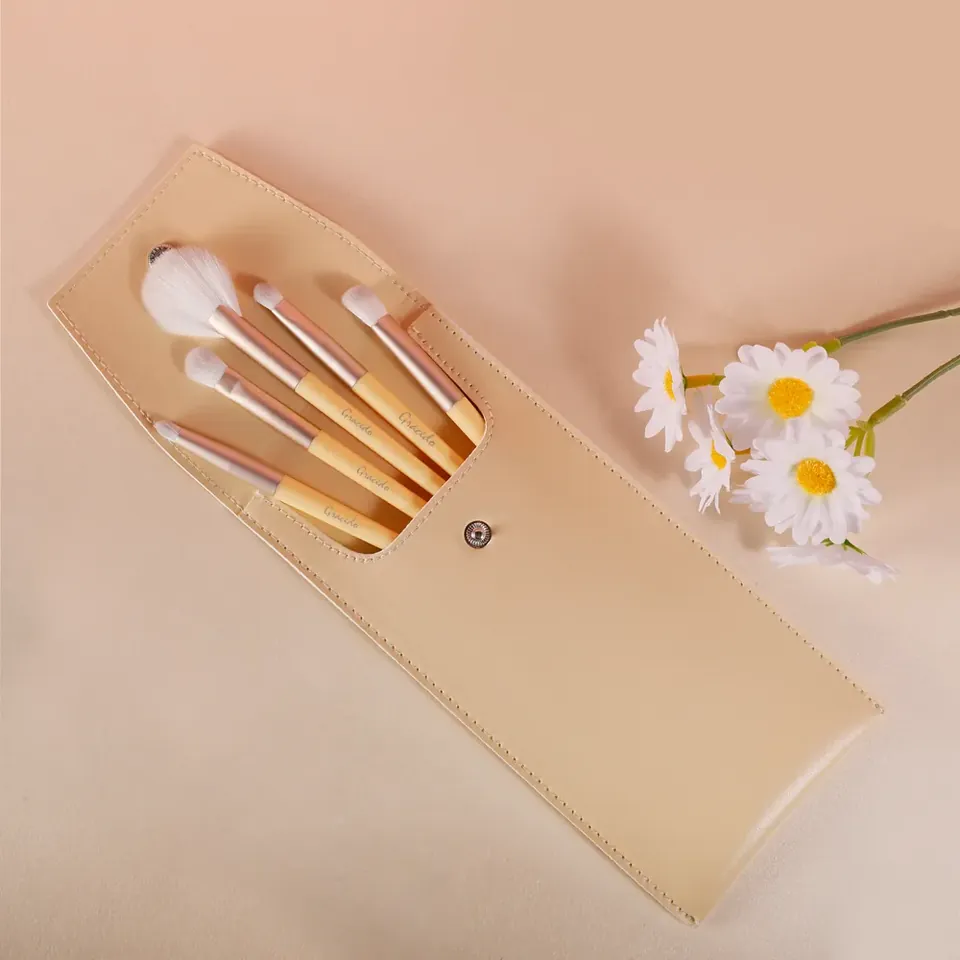
Brush Bag Supplier Briefs: Ask for Internal Details Early
Make custom bag proposals comparable by specifying contents, layout and the information needed for approval.
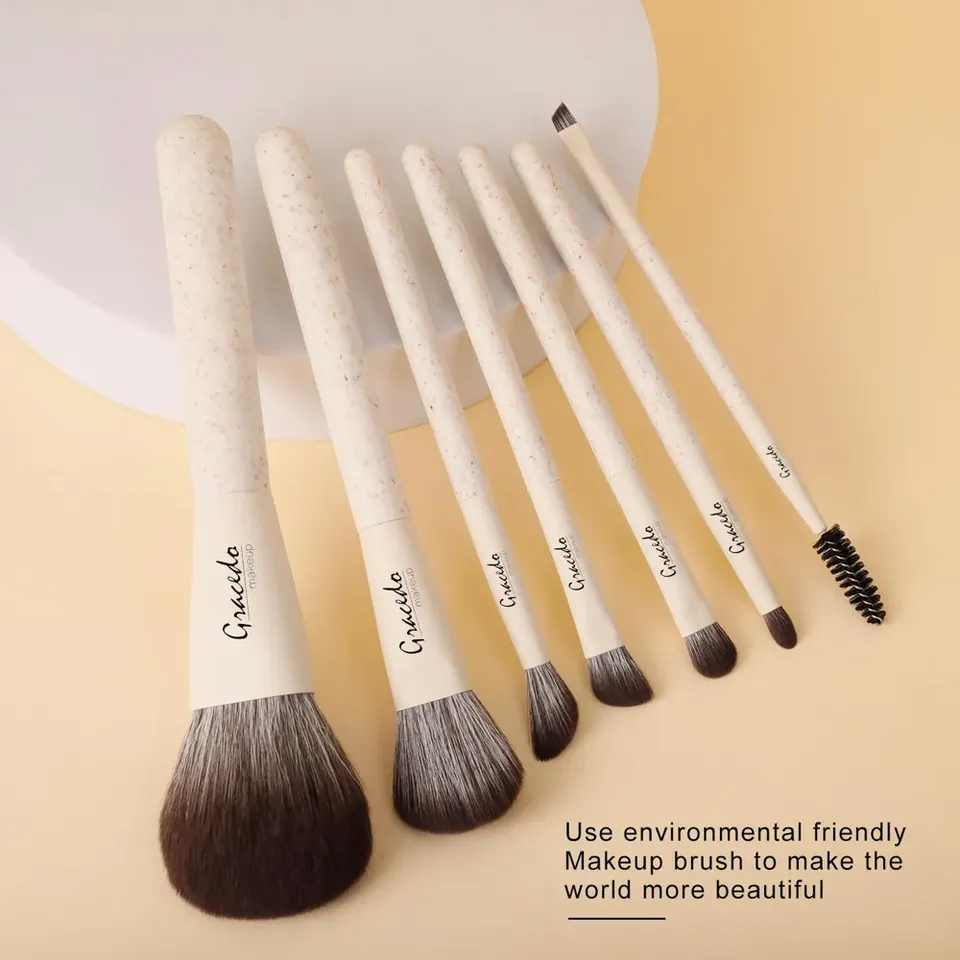
Comparing Brush Factory Claims with Product Evidence
A manufacturer profile can describe quality systems and customization services. Buyers need to connect those statements to the exact brush and order being considered.
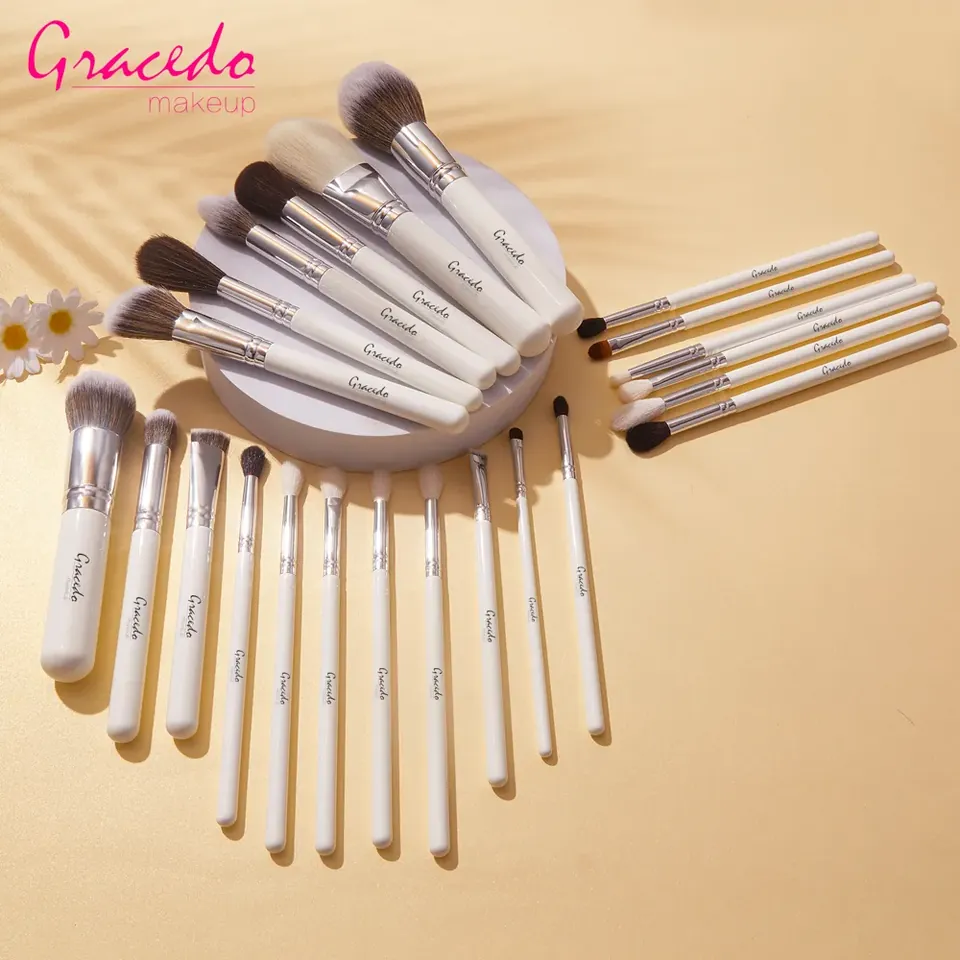
Brow Brush Branding: Keep Head and Logo Decisions Connected
Manage compact brow brush projects with clear construction references and readable decoration approvals.
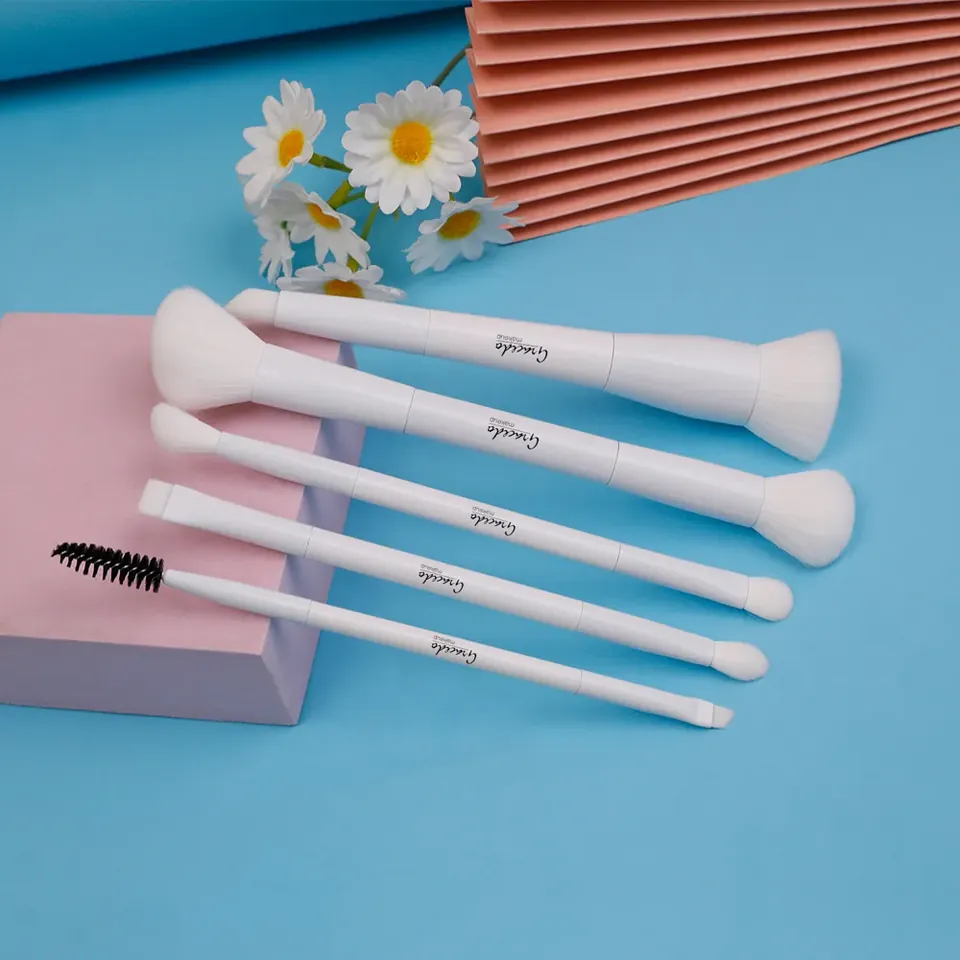
Brush Design Trends: Translate Inspiration into Testable Choices
Use trend ideas selectively by connecting them to customer needs, sample details and manageable variants.
Professional Brush Bag Briefs: Plan Access, Layout and Cleaning Information
Evaluate custom bags against the actual working collection and the way users retrieve and store their tools.
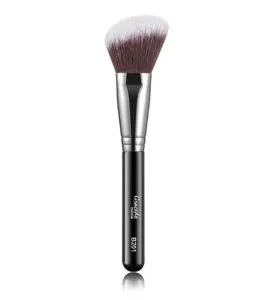
Bronzer and Highlighter Brushes: Compare Scale and Placement
Bronzer and highlighter applications often call for different contact areas. Buyers should compare the actual head structures instead of assuming the product names define them.

Custom Foundation Brushes: Define the Application Brief
A customized foundation brush should be developed around a clear application objective. Broad promises about every skin type are less useful than a specific working brief.
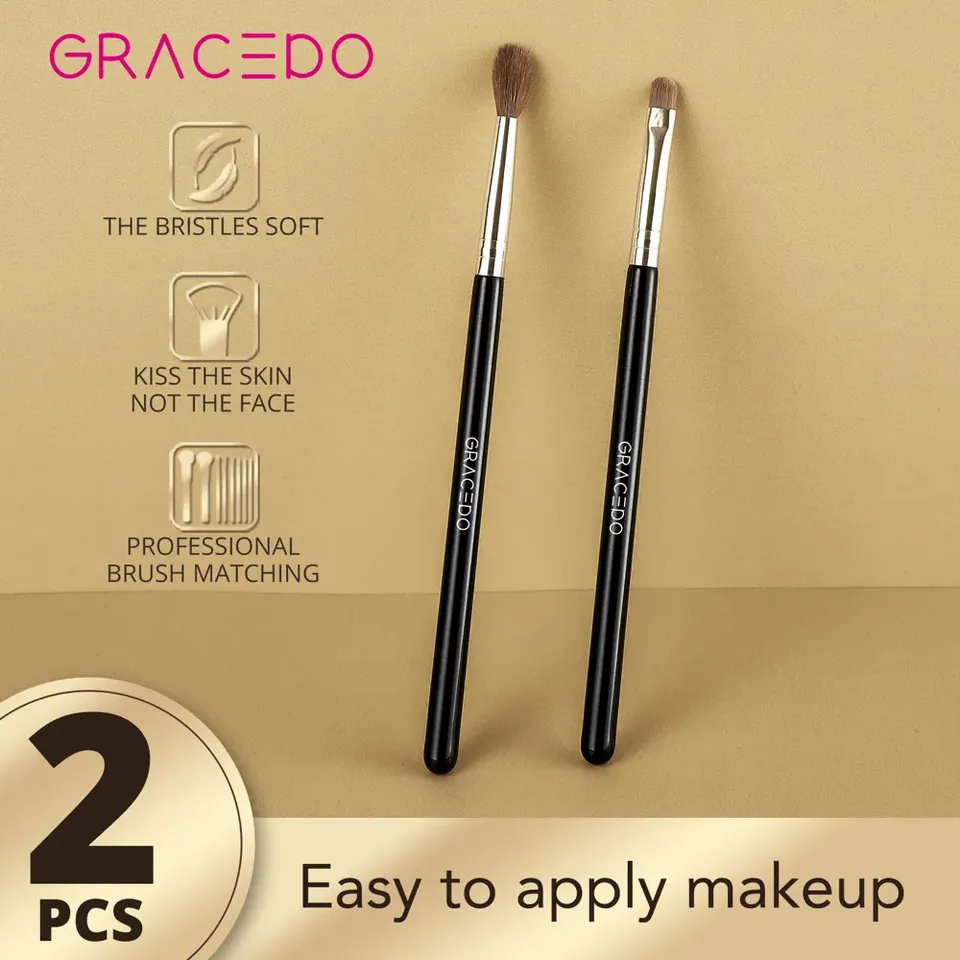
Custom Eyeshadow Sets: Review Fibers Without Automatic Rankings
Build an eye brush collection through documented materials, sample comparisons and distinct application roles.
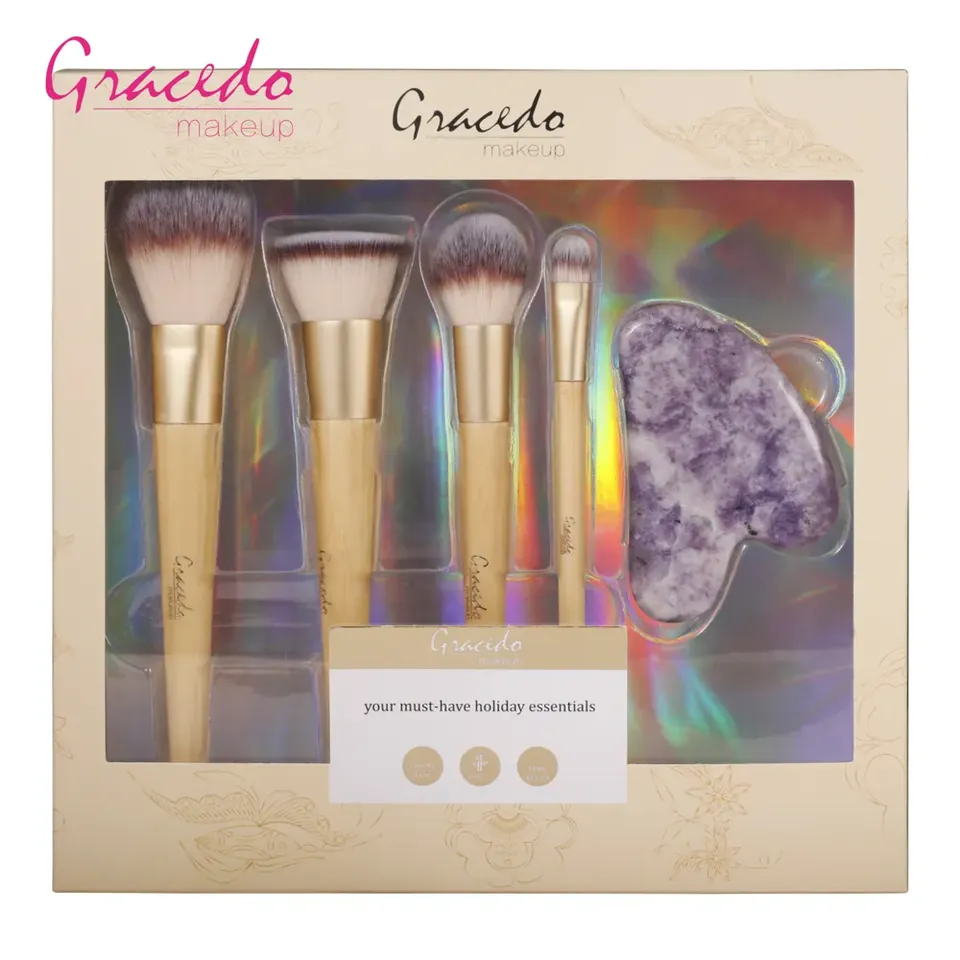
Brush Storage Packaging: Protect Shape Without Overcomplicating the Kit
Review brush cases for fit, cleaning instructions and packing efficiency before placing a wholesale order.
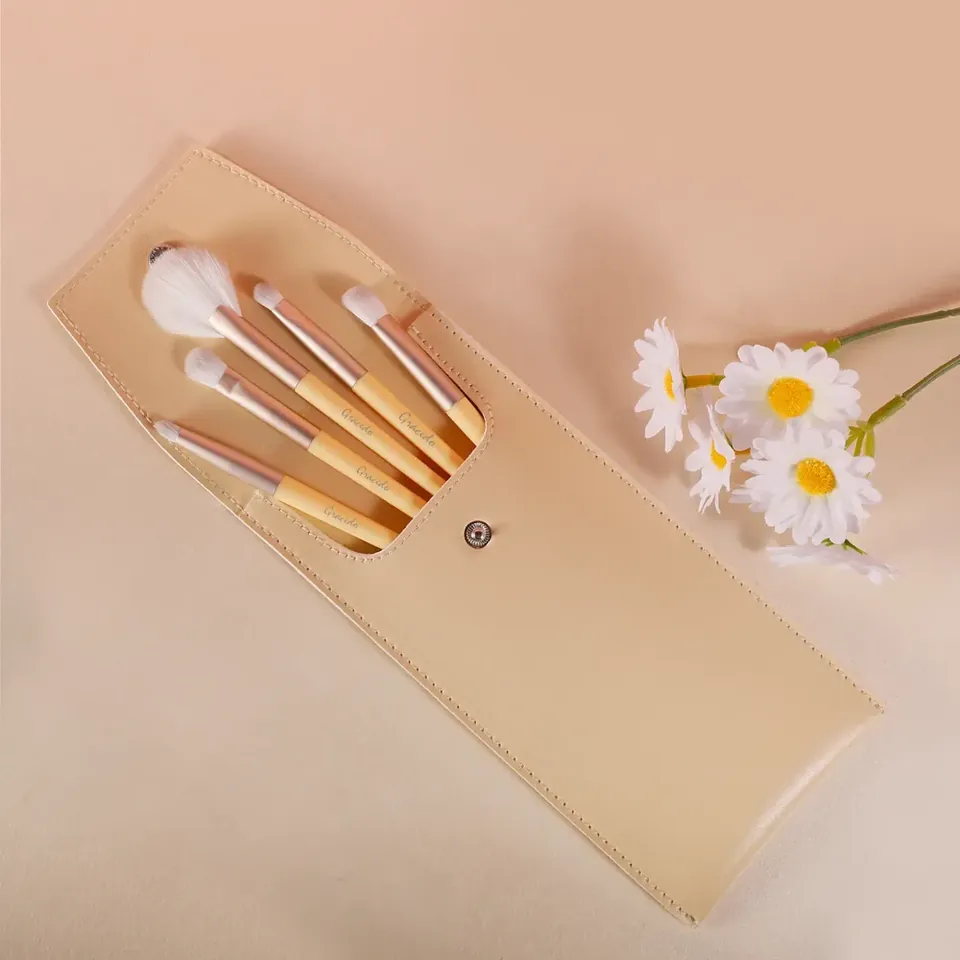
Custom Sponge Development: Change One Variable at a Time
A custom sponge project becomes easier to evaluate when shape, material and presentation are developed in a controlled sequence.
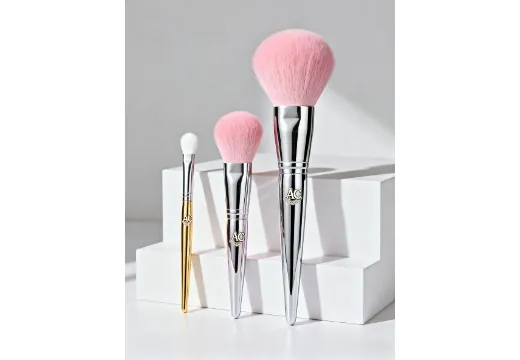
Prioritizing Beauty Tool Categories for a New Range
A list of trending tools is a starting point for discussion. A brand needs its own selection criteria before adding brushes, sponges, curlers and multi-use accessories.
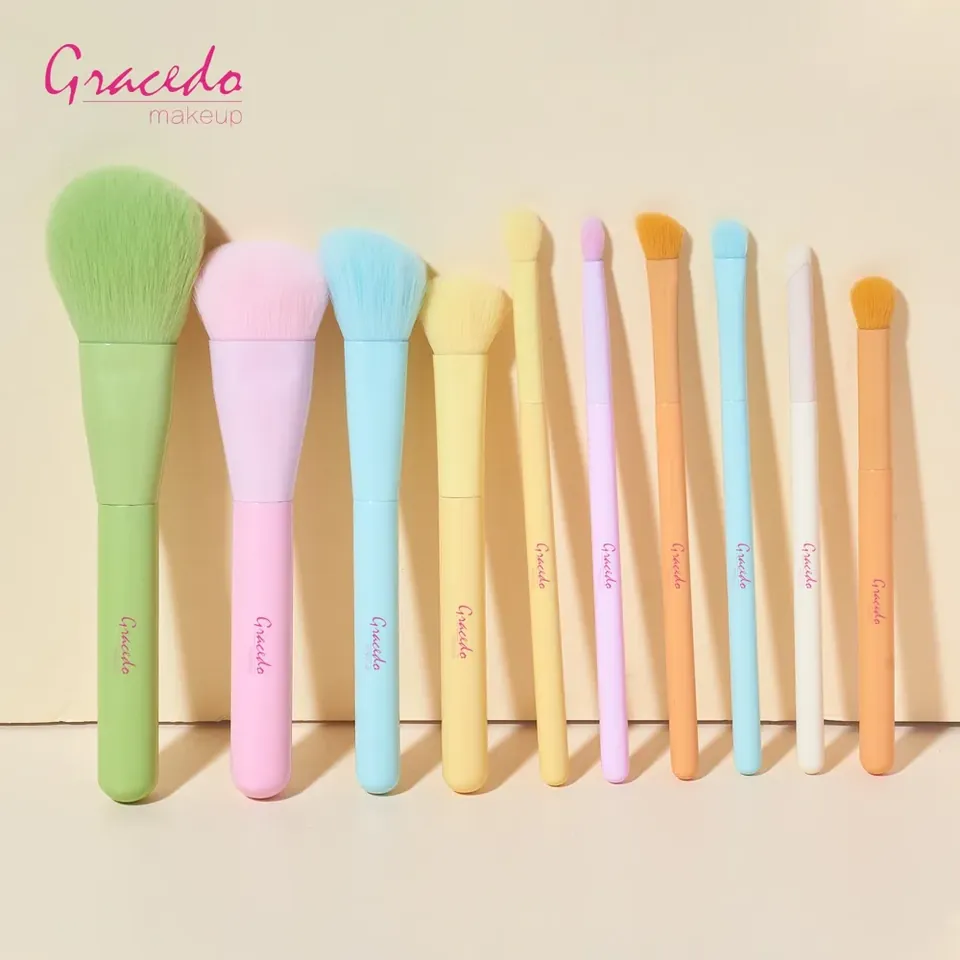
Use Supplier Design Support to Resolve Brush Tradeoffs
Technical support is most valuable when it helps a buyer decide between specific alternatives. A broad request for an innovative brush gives little direction.
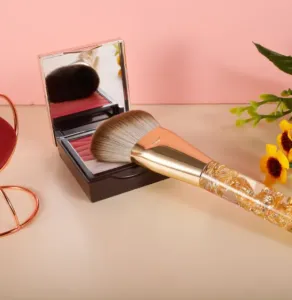
Custom Brush MOQs: Ask Which Choice Sets the Minimum
Understand quotation assumptions at component and variant level before committing to a custom brush order.
Factory or trading company: ask about the work that matters
Evaluate production arrangements and accountability for the specific product instead of relying on a business label.
Compare wholesale quotations on the same basis
Turn different supplier offers into a comparison that shows specification gaps and commercial assumptions.