Read. Compare. Decide.
Practical guides and original editorial perspectives to help you shop with a little more clarity.
Lip Brush Sampling: Tip Shape, Control and Protection
A lip brush needs an edge the user can control and packaging that protects it. Start with the working tip rather than the decorative finish.
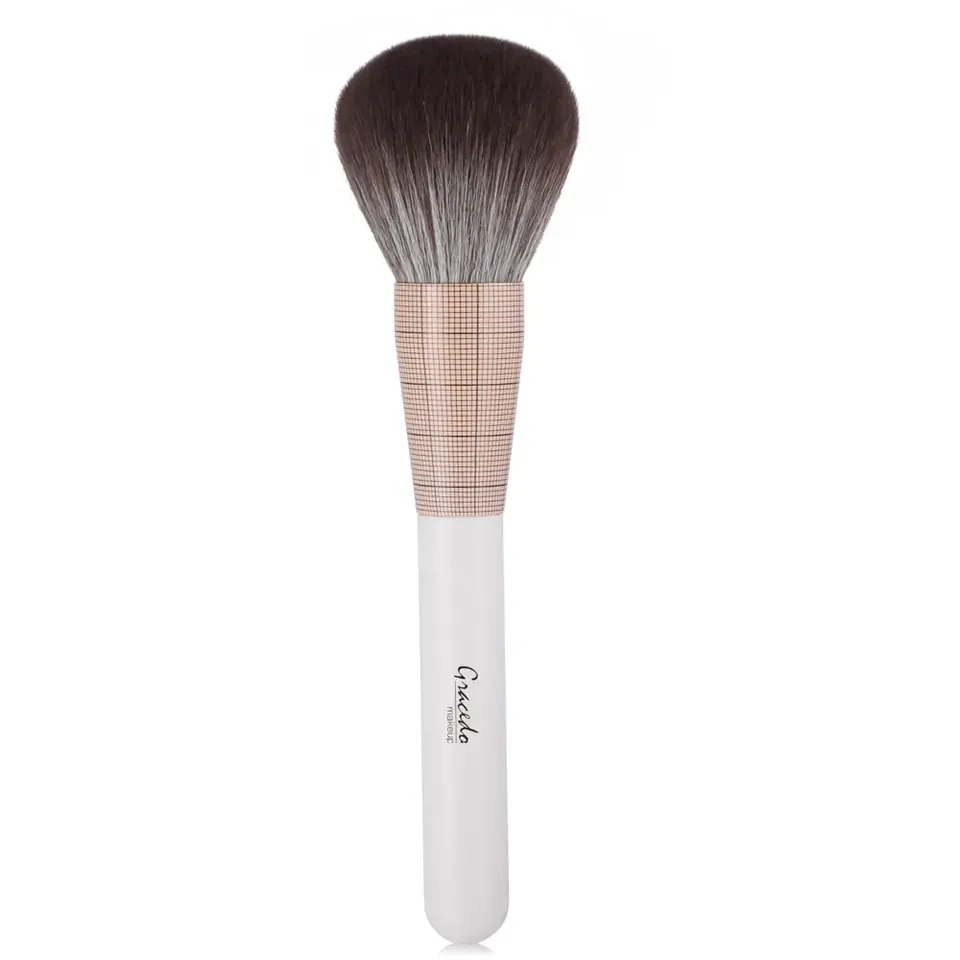
Foundation Brush Sampling: Match the Brush to the Formula
Foundation brushes should be assessed with the formulas customers will actually use. Density, head shape and assembly all influence the buying decision.
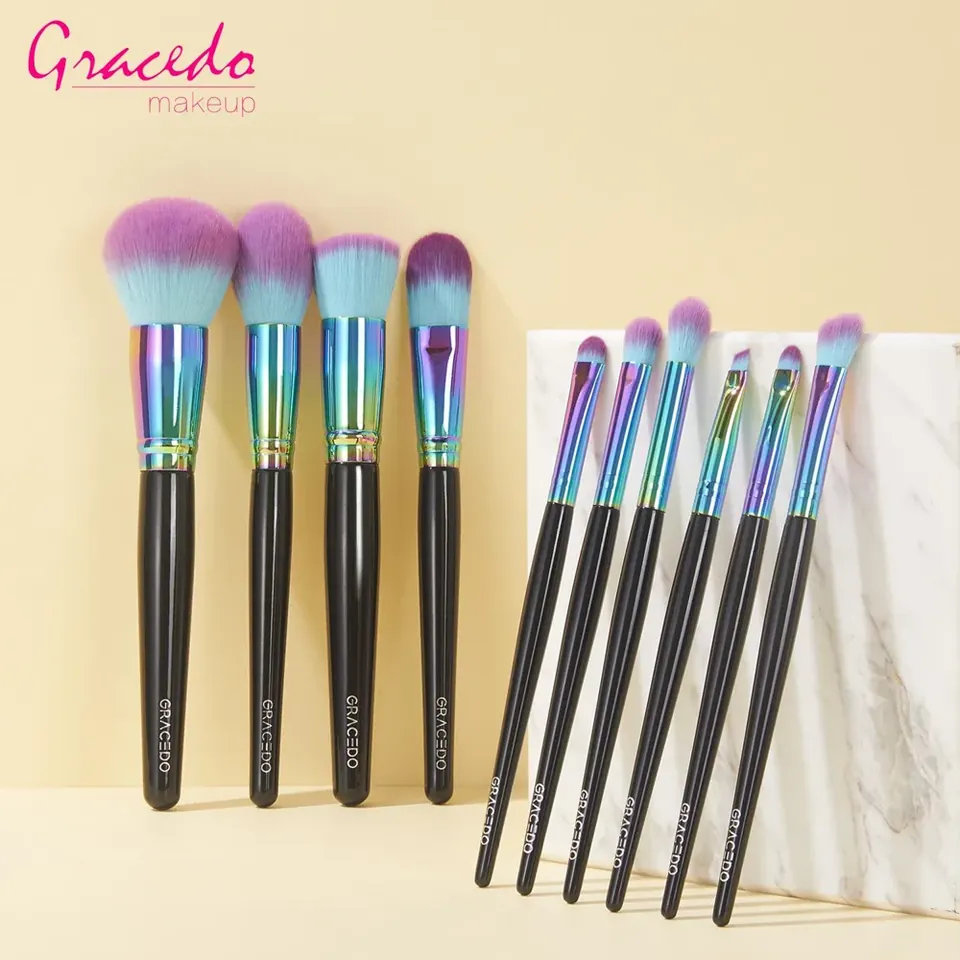
Foundation Brush Supplier Quotes: Clarify the Design Service
A quotation offering design assistance should explain what work is included. Product development and a production-ready approval sample are not automatically the same deliverable.

Novelty Powder Puff Shapes: Balance Visual Appeal with Clear Product Information
Review decorative puff designs as complete retail products, with practical dimensions, handling and packaging details.
Brush Brand Differentiation: Choose One Useful Signature
Build a recognizable brush range around a clear product idea rather than adding customization everywhere.
Writing Honest Makeup Sponge Instructions for Retail Packs
A sponge’s retail explanation should help customers use and care for it. Sweeping promises can obscure practical differences between shapes and materials.
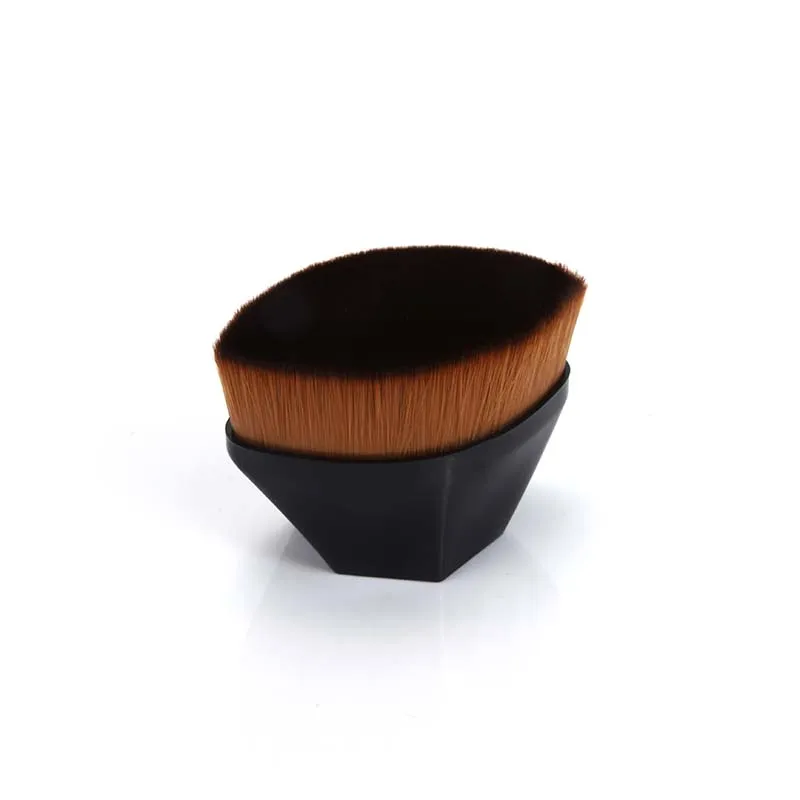
Brush Production Hygiene: Ask About Practices Without Implying Sterility
Review production handling, packaging information and special hygiene claims as separate sourcing questions.
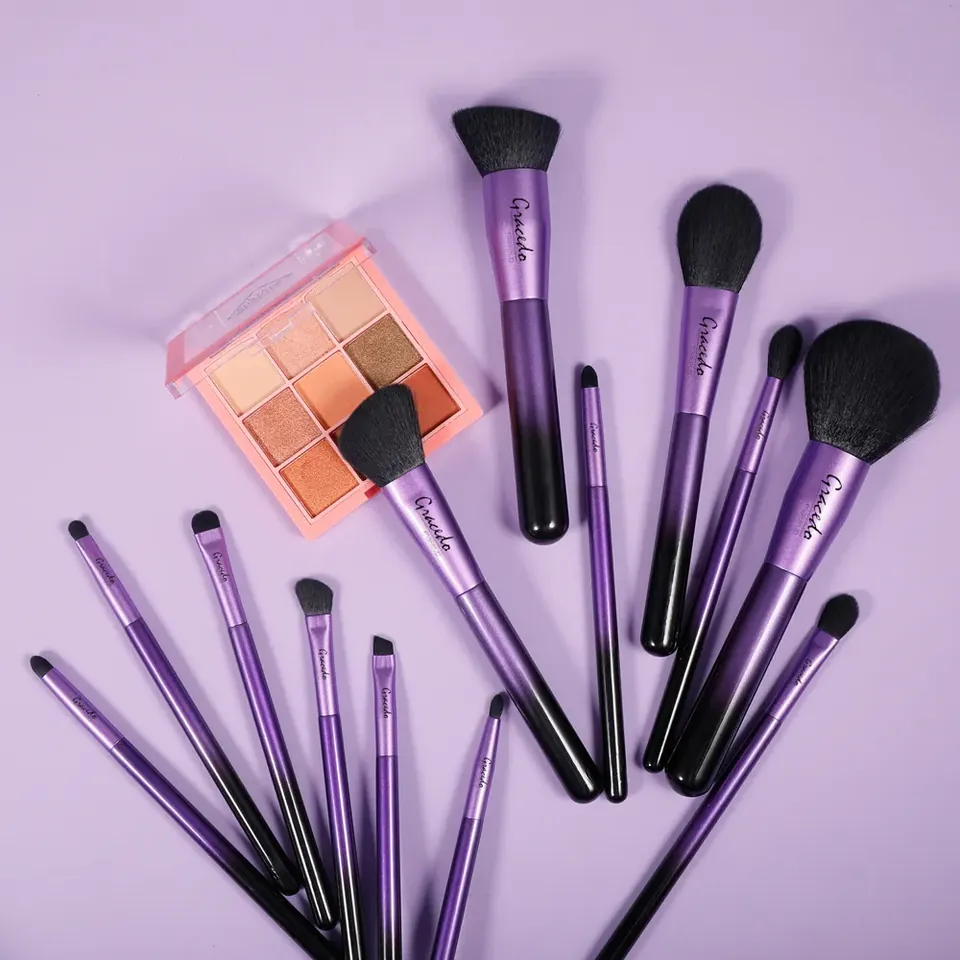
Custom Brush Set Identity: Keep the Useful Differences Visible
Coordinate a collection while allowing every brush to communicate its own application role.
Buffing and Powder Brushes for Blush: Match Structure to Texture
Blush brushes should be selected with the intended formula and finish in mind. A compact buffer and an open powder head offer different contact patterns.
Lip Brush Buying: Specify the Tip Before the Branding
What wholesale buyers should record when selecting a lip brush shape, protective format and custom finish.
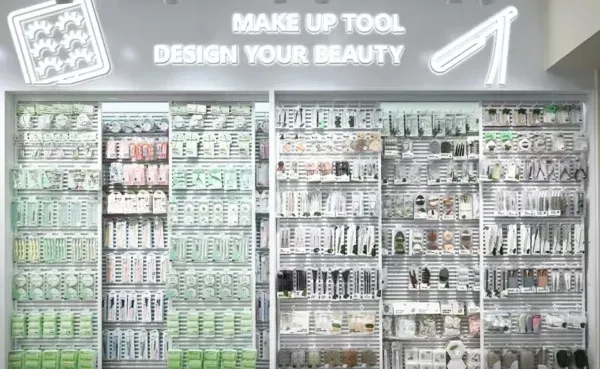
Wholesale Sponge Growth Plans: Start with a Manageable Core Range
Use product roles and operational clarity to plan a sponge assortment without relying on broad market forecasts.
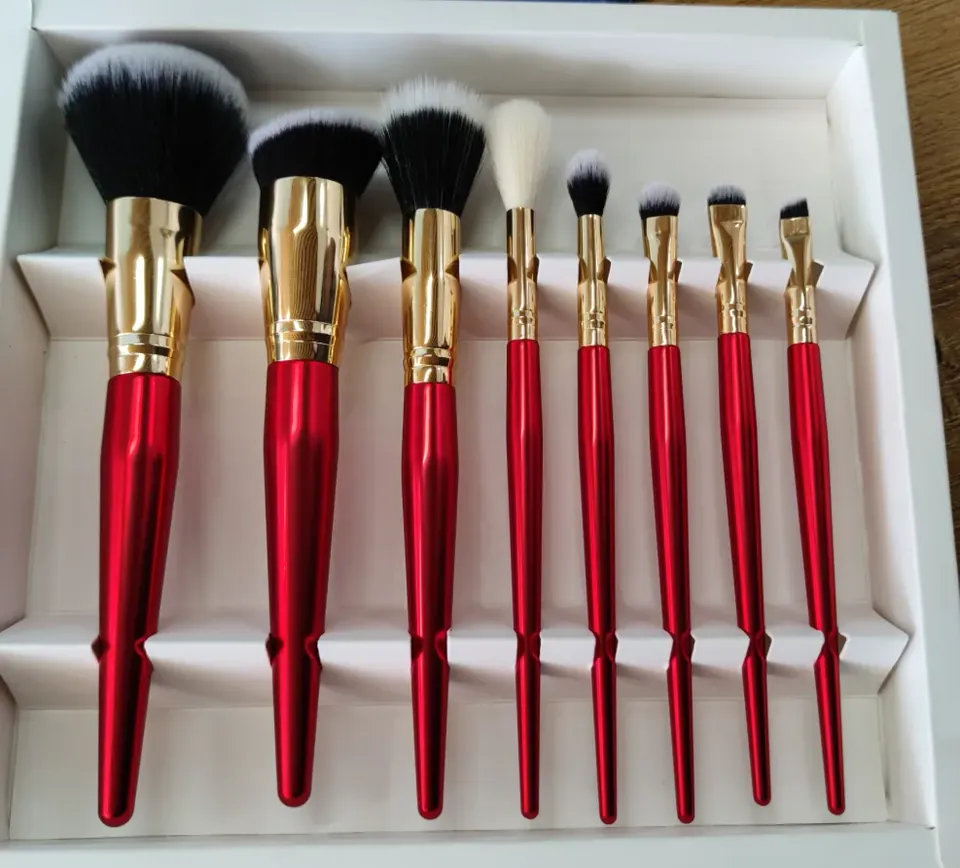
Make Brush Set Instructions as Useful as the Tools
An eight-piece brush set needs more than a product photograph. Its instructions should connect each head to a recognizable task without promising a perfect result.
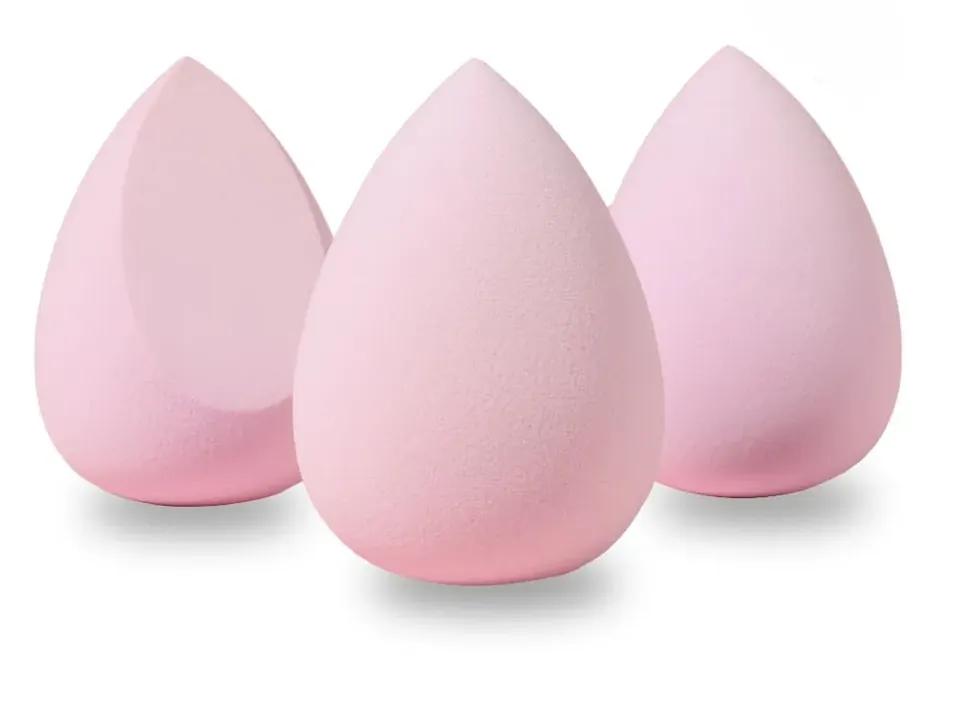
Makeup Sponge Application Guides: Base the Advice on the Actual Tool
Prepare practical sponge information without promising a universal foundation result or copying unrelated instructions.
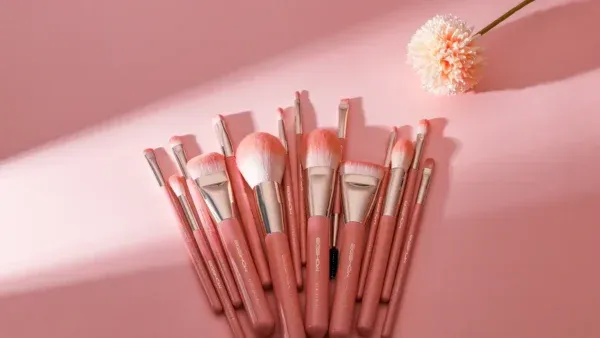
Face, Eye and Lip Brushes: Build a Clear Product Taxonomy
Organize brush categories so customers can understand the range without relying on shape names alone.
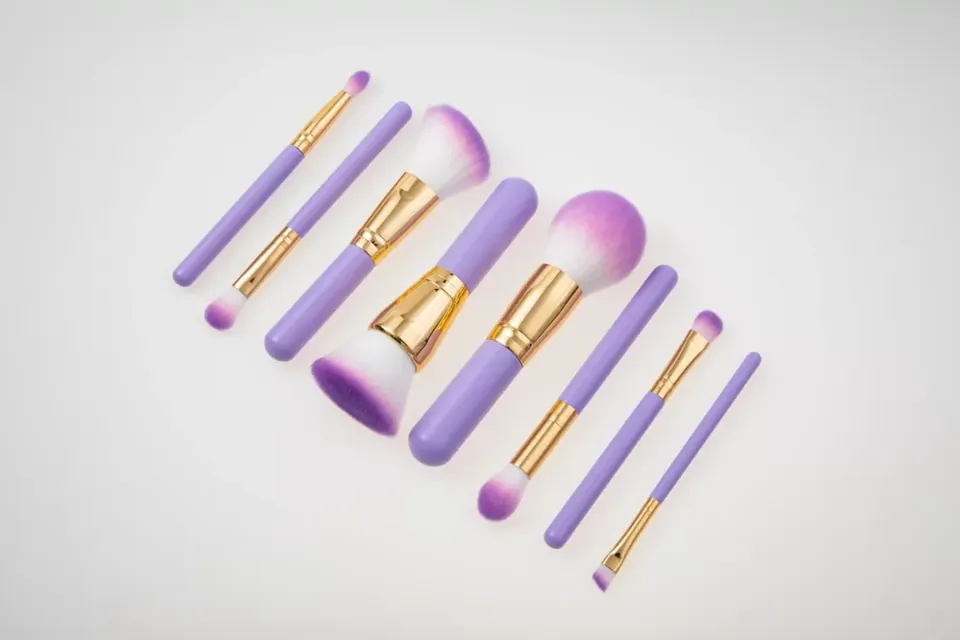
Mini Travel Brush Sets: Evaluate the Packed Experience
A travel set should remain understandable and usable at a smaller size. The case, tool count and handle proportions need to work as one product.
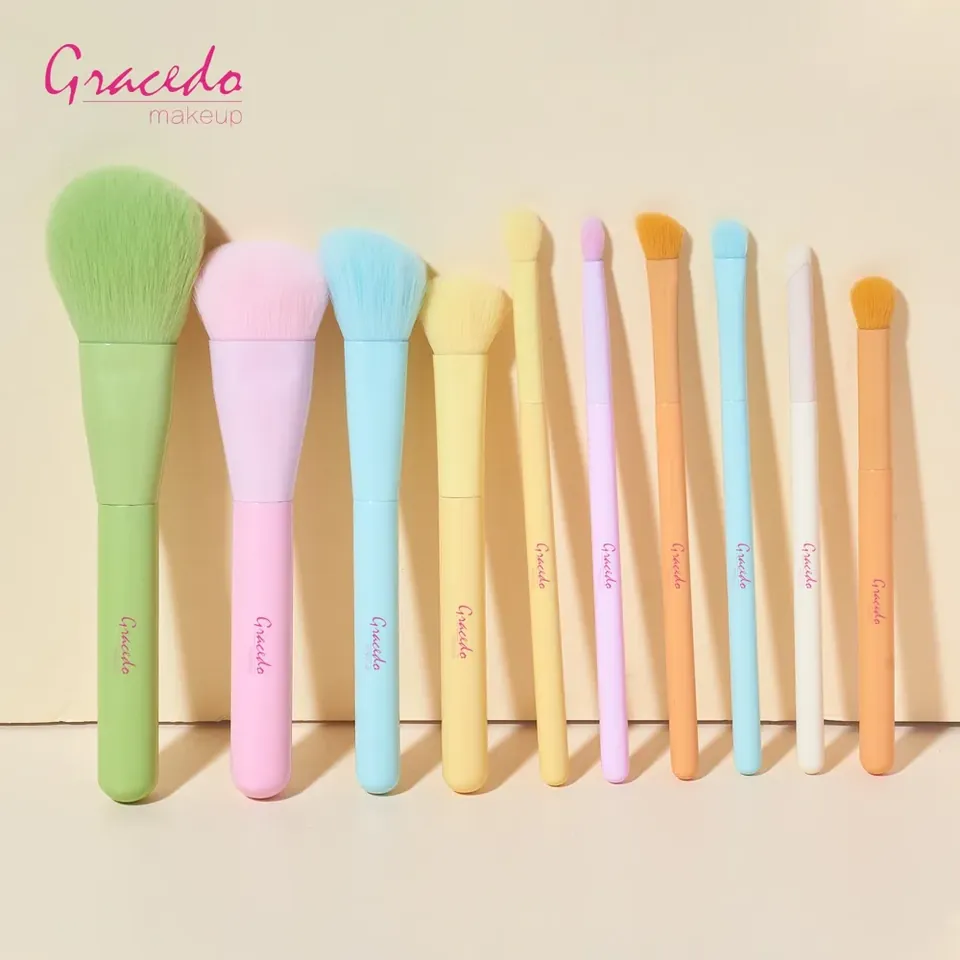
Custom Cosmetic Brushes: Turn a Brand Idea into a Product Brief
Translate a visual concept into specific brush, artwork and packaging decisions for a manageable development process.
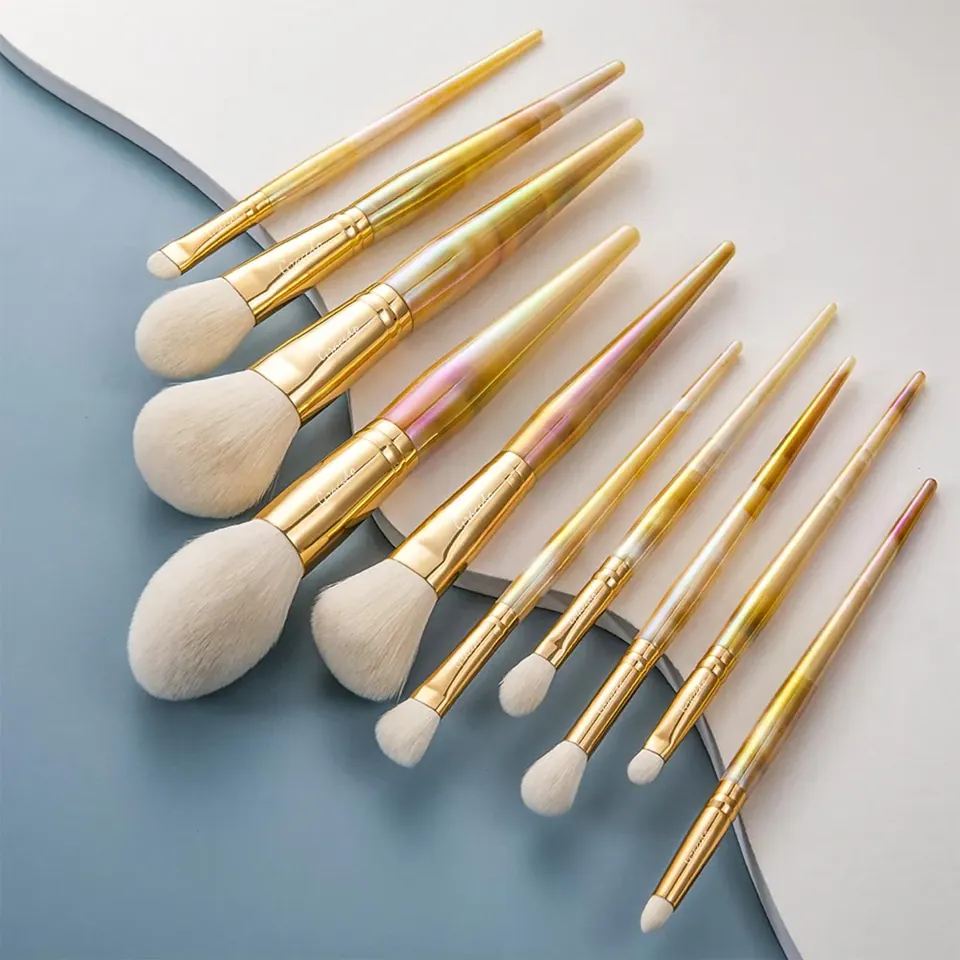
Bulk Sponge Assortments: Make Variation Easy to Compare
A wholesale sponge range may offer many shapes and textures. Buyers need an organized comparison before deciding how many versions belong in the assortment.
Foundation Brushes: Compare Samples Around Your Formula Range
Build a foundation brush brief that connects head geometry, handle comfort and your intended cosmetics.
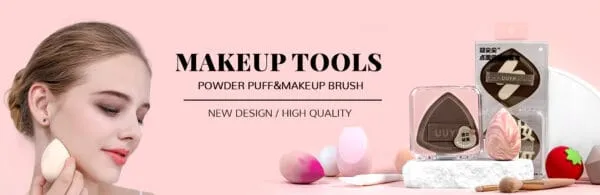
How to Evaluate a Beauty Tool Factory Beyond Its Website
A sourcing shortlist should be based on evidence for the product you need. Broad claims about experience or standards are a starting point for questions.
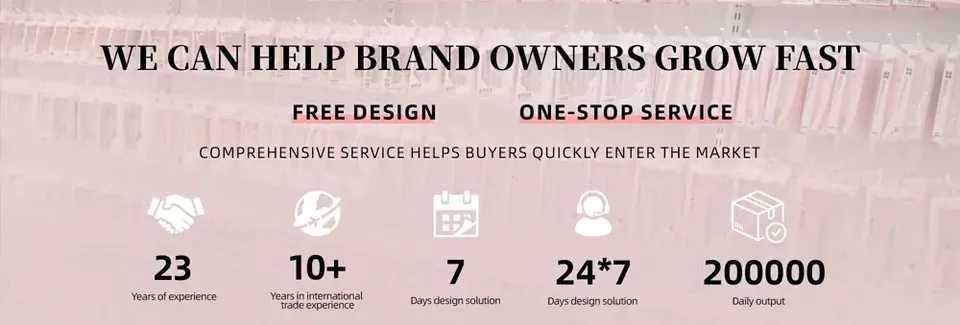
Preventing Beauty Tool Sourcing Problems with Better Order Controls
Quality surprises and delays are easier to address when the order records responsibilities, milestones and evidence. Supplier assurances should be translated into practical controls.
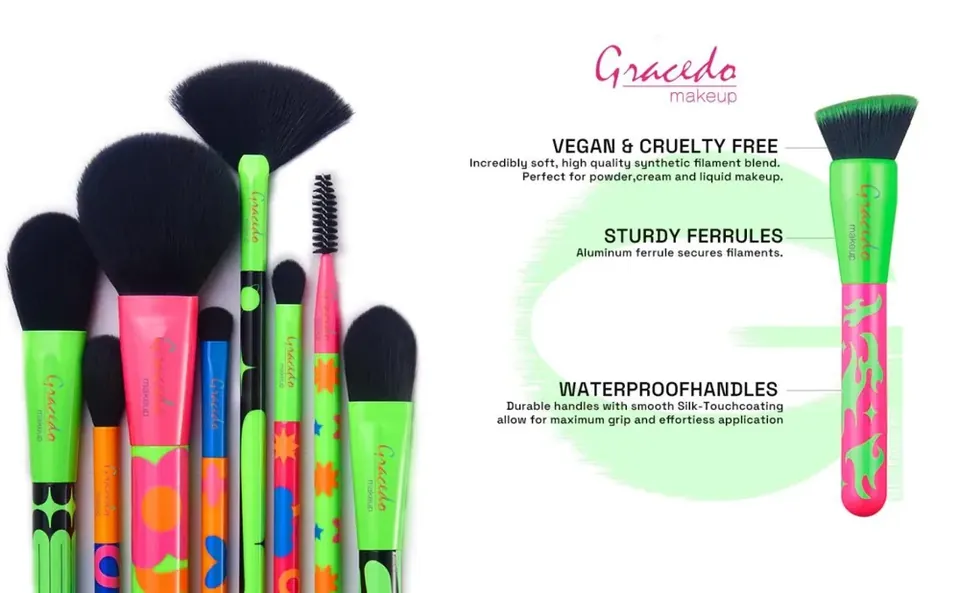
Keeping a Multi-Category Brush Order Organized
An OEM supplier may offer face, eye, lip and nail tools together. Buyers still need separate specifications where those categories differ in use and care.
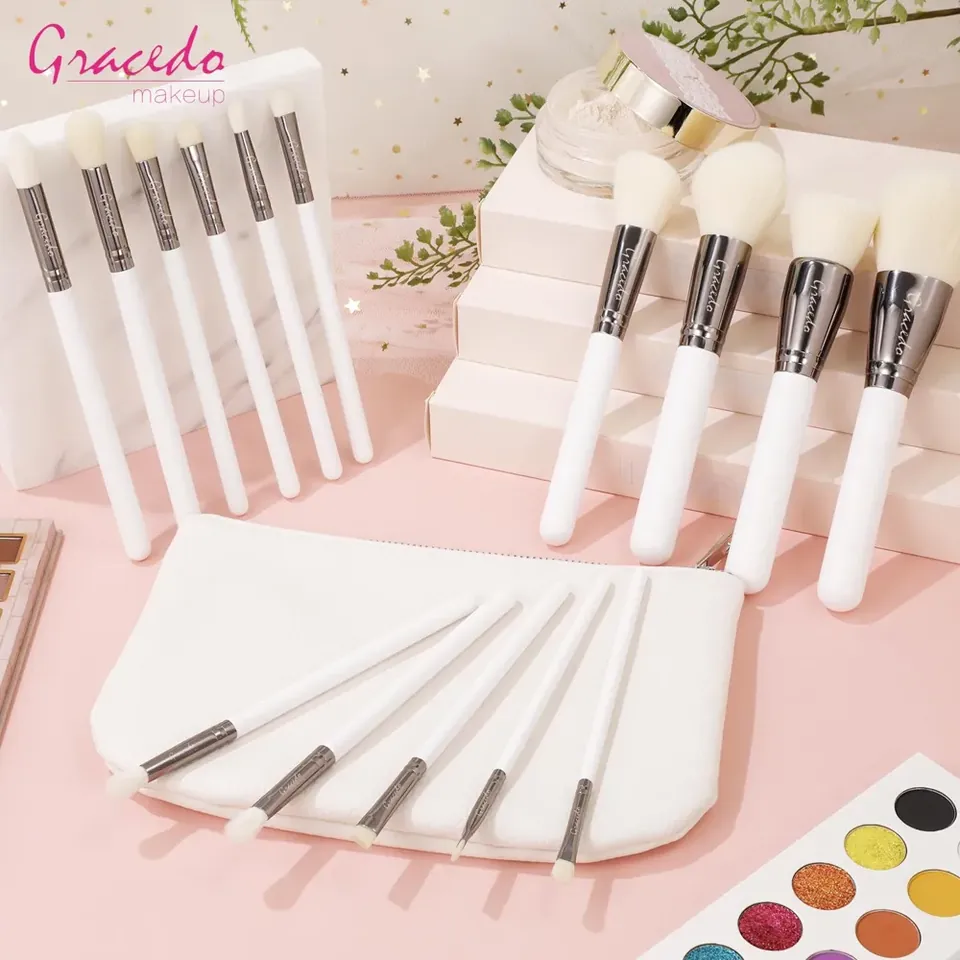
Animal-Free Brush Concepts: Keep Material and Environmental Claims Distinct
Build a custom brush brief that separates fiber composition from broader environmental positioning.
OEM Brush Fiber Briefs: Use Exact Terminology
Ask for material descriptions that remain traceable from the sample to the finished retail product.
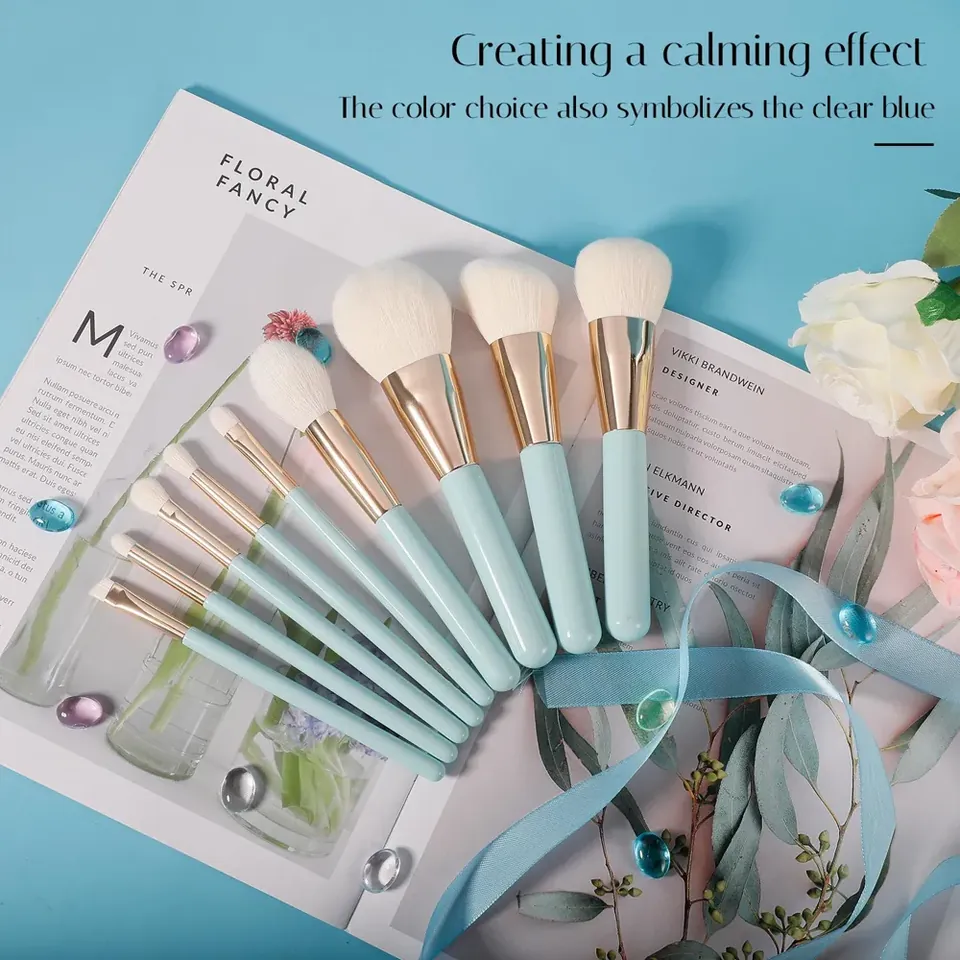
Scaling Wholesale Brush Orders with Clear Replenishment Records
A growing brush range needs a repeatable replenishment process. Supplier history and product breadth are useful context, but each repeat order should point to a current reference.